1. What This Condition Is
Lumbar radiculopathy happens when a nerve root in your lower spine gets compressed, irritated, or inflamed. The result is pain, numbness, tingling, or weakness that radiates from your lower back down through your hip, leg, or foot. It follows the exact path of whichever nerve root is being pinched.
For veterans, lumbar radiculopathy most often develops alongside a service-connected back condition. Years of carrying heavy loads, absorbing vehicle vibration, jumping with combat gear, or working in physically demanding military occupations puts sustained compressive force on lumbar discs. When those discs degenerate or herniate, they press on nearby nerve roots.
The VA rates this separately from your spine because the functional loss it causes, radiating pain, leg weakness, altered gait, numbness in the foot, is real, measurable, and distinct from the spine condition itself.
2. VA Rating Criteria
Lumbar radiculopathy is rated under 38 CFR Part 4, § 4.124a, Schedule of Ratings for Neurological Conditions and Convulsive Disorders. The VA assigns a diagnostic code based on which nerve is involved and what type of impairment is present.
The sciatic nerve (L4-S3) is the most commonly rated lumbar nerve root. Its diagnostic codes are:
- DC 8520: Paralysis of the sciatic nerve
- DC 8620: Neuritis of the sciatic nerve
- DC 8720: Neuralgia of the sciatic nerve
Other lumbar nerve roots (obturator, tibial/internal popliteal, peroneal/external popliteal, femoral, ilioinguinal) have parallel codes in the 85xx, 86xx, and 87xx ranges.
Sciatic Nerve Paralysis, DC 8520:
| Rating | Level of Impairment |
|---|---|
| 10% | Mild incomplete paralysis |
| 20% | Moderate incomplete paralysis |
| 40% | Moderately severe incomplete paralysis |
| 60% | Severe incomplete paralysis, with marked muscular atrophy |
| 80% | Complete paralysis: foot dangles and drops, no active movement possible below the knee, flexion of knee weakened or lost |
Neuritis (DC 8620) is rated on the same scale as paralysis. Neuralgia (DC 8720) is generally limited to the equivalent of mild or moderate incomplete paralysis, it does not reach the higher ratings.
If both legs are affected, the bilateral factor under 38 CFR § 4.26 adds a 10% modifier to the combined rating before final conversion. Each affected side must be rated separately, left and right are not the same claim.
Radiculopathy is a separate, independently ratable condition. It is not "included" in your spine rating. If a VA rater tells you otherwise, that is wrong and you should file a Higher-Level Review on VA Form 20-0996.
3. What to Expect at Your C&P Exam
The examiner will ask where your pain travels, not just where it starts. The sciatic nerve runs from the lower back through the buttock, into the back of the thigh, and down to the foot. Tell the examiner the exact path and which parts of your foot or leg feel numb, tingly, or weak.
Expect a straight-leg raise test. You lie flat while the examiner lifts your leg. If you feel radiating nerve pain down your leg at a low angle, that is a positive finding for lumbar nerve root compression. Be honest about when it hurts and how much.
The examiner will check your reflexes. The Achilles (ankle) and patellar (knee) reflexes are key. A diminished or absent reflex on the affected side is a neurological finding that supports your claim.
Expect muscle strength testing. Weakness when trying to flex your foot upward (dorsiflexion) is a classic L4-L5 nerve root sign. Weakness pushing down (plantarflexion) points toward S1.
Describe your worst days, not your average days. Under DeLuca v. Brown and Mitchell v. Shinseki, the examiner is required to consider functional loss during movement, after repetitive use, and during flare-ups. If your leg goes numb after sitting for 20 minutes, say that. If walking two blocks brings on radiating pain, say that.
4. Evidence You Need to Win
Service connection for lumbar radiculopathy almost always runs secondary to a service-connected back condition under 38 CFR § 3.310. You need three things.
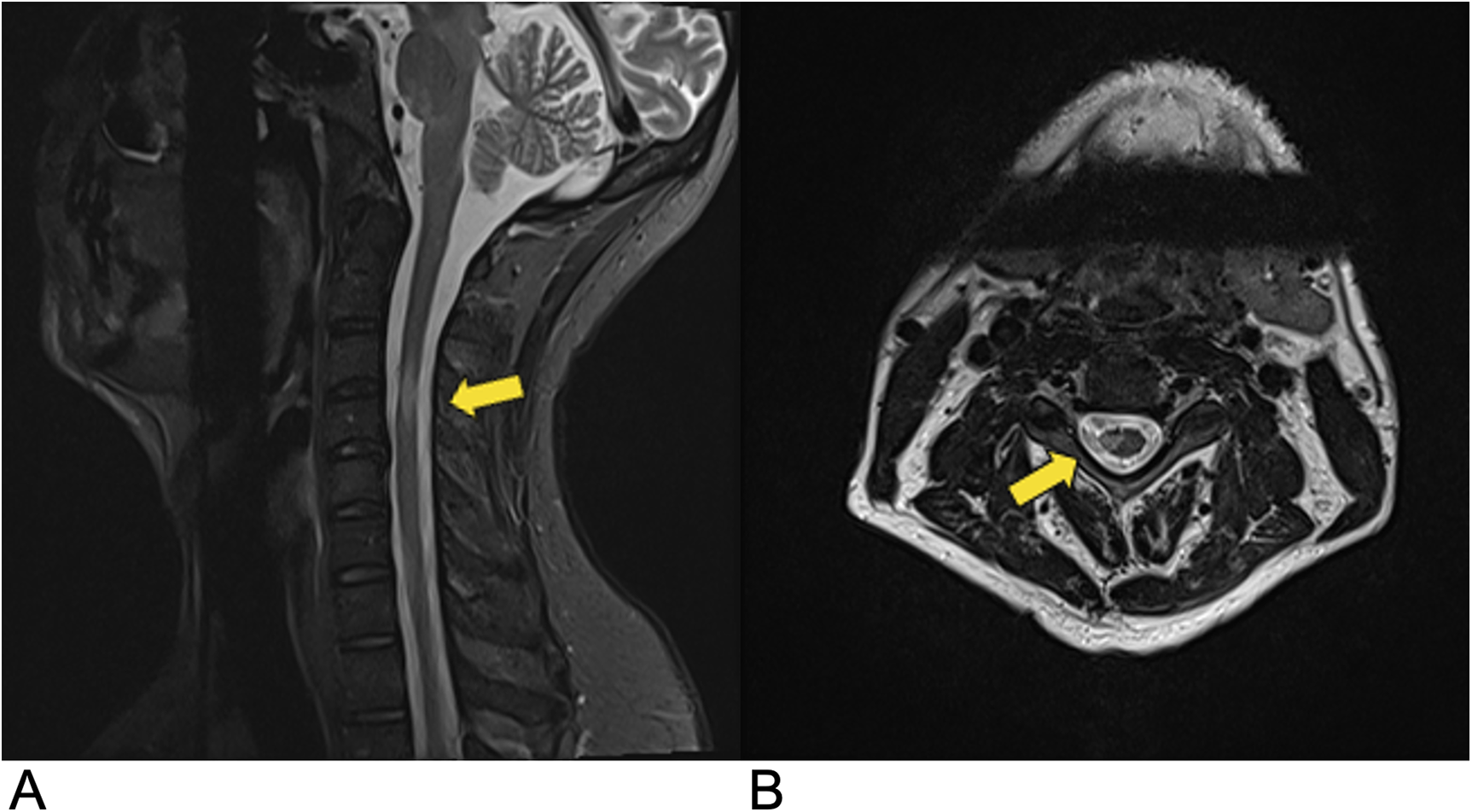
First, a current diagnosis. A physician, PA, or NP must document lumbar radiculopathy as an active diagnosis. Imaging (MRI showing nerve root compression at a specific level) combined with clinical findings (dermatomal symptom distribution, reflex changes, muscle weakness) makes the strongest medical foundation.
Second, a nexus opinion. The opinion must state it is "at least as likely as not" that the radiculopathy is caused or aggravated by your service-connected spine condition. Under Barr v. Nicholson (2007), the opinion must review your records, describe your current condition, and provide a reasoned rationale. A letter that just says "related to service" without explanation will not hold up.
Third, your own statement. Document where the pain travels, when symptoms started, how they have progressed, and how they limit your daily activities and work capacity. Use VA Form 21-10210 to get a buddy statement from a spouse, family member, or fellow veteran who has witnessed your limitations firsthand.
The relevant VA Disability Benefits Questionnaire is the "Peripheral Nerves Conditions (Not Including Diabetic Sensory-Motor Peripheral Neuropathy)" DBQ. If you are getting a private nexus opinion, give the physician this DBQ along with the DC 8520 rating criteria before your appointment.
5. Secondary Conditions to Consider
Lumbar radiculopathy does not stay contained. The ripple effects on how you move and how you feel are real and ratable.
Altered gait and fall injuries. When a foot drops or a leg weakens, your stride changes to compensate. That altered gait loads the ankle, knee, and hip differently, accelerating wear and increasing fall risk. Resulting knee and ankle injuries can be rated secondary under 38 CFR § 3.310.
Hip pain and trochanteric bursitis. Shifting weight off the affected leg to avoid pain causes the opposite hip to overload. Hip bursitis that develops as a direct result of this compensation is a secondary condition.
Sleep disturbance and insomnia. Nerve pain is characteristically worse at night. Chronic sleep deprivation compounds fatigue, increases pain sensitivity, and feeds into mood disorders.
Major depressive disorder and anxiety. Chronic pain is one of the most consistent predictors of depression. A mental health condition caused or worsened by the pain and functional loss of lumbar radiculopathy is separately ratable under 38 CFR § 3.310.
Erectile dysfunction. Nerve roots L2 through S3 carry signals critical to sexual function. Compression at these levels can cause neurogenic ED, which is ratable and can open eligibility for Special Monthly Compensation under 38 CFR § 3.350.
6. Common Mistakes That Kill Claims
Filing radiculopathy before the spine is service connected. Radiculopathy almost always needs a primary service-connected spine condition as its foundation. File the back first. Establish it. Then file radiculopathy secondary to it.
Not separating the nerve symptoms from the spine symptoms at the C&P exam. The examiner may document your herniated disc and stop. Before your exam, submit a written statement to VA specifically listing your radiating pain, numbness, and weakness as separate symptoms that need separate evaluation.
Only reporting one side when both legs are affected. If you have symptoms in both legs, both sides must be rated. Missing the bilateral factor and the second-side rating is lost compensation.
Accepting a rating that merges radiculopathy into the spine. Lumbar radiculopathy is a distinct neurological condition under 38 CFR § 4.124a. It cannot be swallowed by a musculoskeletal spine rating under 38 CFR § 4.71a. If that happens, file a Higher-Level Review.
Describing your condition as of your best day. The VA rates your average level of impairment over time. Tell the examiner about flare-ups, worst-case days, how often they happen, and how long they last.
7. FWD Assist Resources
The FWD Assist Back, Knee, and Joint Claims Guide covers spinal conditions and secondary nerve conditions in full, including how to build the evidence chain from a rated lumbar spine condition to a radiculopathy claim.
The C&P Exam Preparation Guide walks you through exactly what to document and say before you walk into the exam room for musculoskeletal and neurological conditions.
The Nexus Letter Guide explains how to work with a private physician to produce a nexus opinion that meets Barr v. Nicholson adequacy standards.
The Secondary Conditions Playbook maps the full downstream chain of conditions that can flow from a rated lumbar spine or radiculopathy claim, including mental health, sexual dysfunction, and SMC eligibility.
8. Get Help Without a Claim Shark
Free, accredited help is available right now. Veterans Service Organizations including the DAV, VFW, and American Legion provide accredited claims representatives at no cost. County veterans service officers (CVSOs) offer the same service at the local level and often have the shortest wait times.
If your case needs an OGC-accredited agent or attorney, those professionals are legally permitted to charge fees only after an initial VA decision has been issued. Fees are capped at 20% of past-due benefits under 38 CFR § 14.636. Anyone who asks for money upfront before you have a rating decision in hand is violating federal law under 38 U.S.C. § 5905.
Find accredited representatives at va.gov/ogc/accreditation.asp.