
1. What This Condition Is
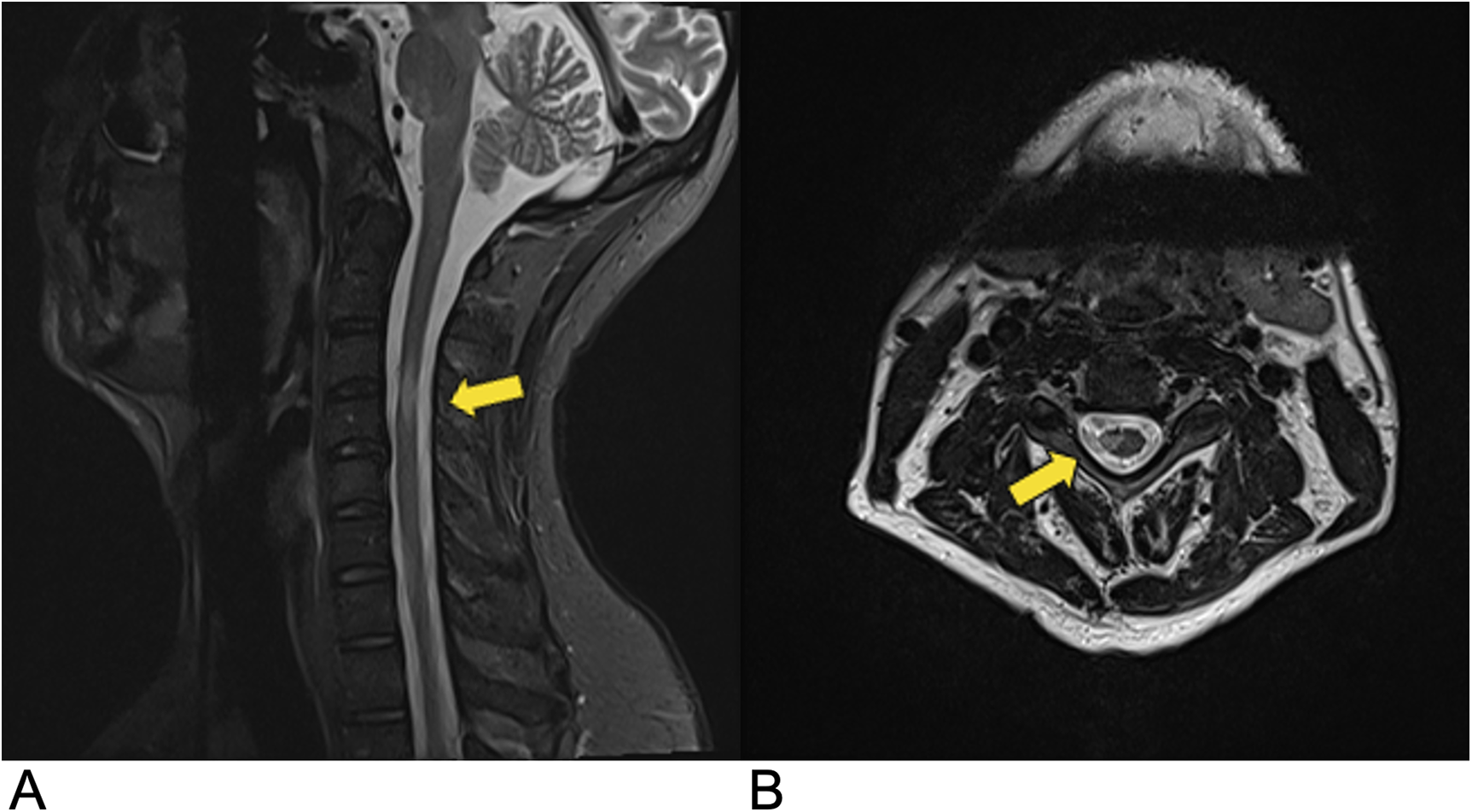
Degenerative arthritis of the spine is the breakdown of cartilage, disc material, and bone structure in the vertebral column over time. It produces bone spurs, narrowed disc spaces, and inflammation that compress nerves and limit movement. Most veterans know it by its imaging names: degenerative disc disease (DDD), spondylosis, or osteoarthritis of the spine. It develops from years of carrying weight under compression, repeated bending and lifting, parachute landings, blast exposure, and vehicle accidents. By the time most veterans notice it significantly, the imaging already shows changes that have been building for years. The condition causes chronic back pain, stiffness, reduced range of motion, and often nerve symptoms radiating into the arms or legs.
2. VA Rating Criteria
Degenerative arthritis of the spine is rated under 38 CFR § 4.71a, Diagnostic Code 5242. DC 5242 is evaluated under the General Rating Formula for Diseases and Injuries of the Spine, which applies to diagnostic codes 5235 through 5243. The rating is based on your range of motion as measured during a C&P exam.
The spine is evaluated in two segments. The cervical spine (neck) uses separate measurements from the thoracolumbar spine (mid and lower back). If your degenerative arthritis affects the thoracolumbar region, the following table applies.
Thoracolumbar Spine (38 CFR § 4.71a, General Rating Formula, DC 5235-5243):
| Rating | Criteria |
|---|---|
| 10% | Forward flexion greater than 60 degrees but not greater than 85 degrees; OR combined range of motion greater than 120 degrees but not greater than 235 degrees; OR muscle spasm, guarding, or localized tenderness not resulting in abnormal gait or abnormal spinal contour; OR vertebral body fracture with loss of 50% or more of height |
| 20% | Forward flexion greater than 30 degrees but not greater than 60 degrees; OR combined range of motion greater than 60 degrees but not greater than 120 degrees |
| 40% | Forward flexion of 30 degrees or less; OR combined range of motion of 60 degrees or less; OR favorable ankylosis of the entire thoracolumbar spine |
| 50% | Unfavorable ankylosis of the entire thoracolumbar spine |
| 100% | Unfavorable ankylosis of the entire spine |
Normal forward flexion of the thoracolumbar spine is 0 to 90 degrees. Normal combined range of motion (forward flexion, extension, and bilateral lateral flexion and rotation) is approximately 240 degrees.
If your degenerative arthritis is primarily cervical, see the Cervical Strain condition page, which uses the same rating formula with cervical-specific degree breakpoints.
Under 38 CFR § 4.40 and 4.45, the VA must also consider functional loss, including loss of motion due to pain, weakness, or fatigability, not only the static measurement taken once at the exam.
3. What to Expect at Your C&P Exam
The examiner will measure your forward flexion, extension, left and right lateral flexion, and left and right lateral rotation using a goniometer or inclinometer. They will note any pain at the endpoint and any pain that occurs before the endpoint.
They should test your range of motion before and after repetitive movement. Under 38 CFR § 4.40, if your range worsens after repeated bending, that reduced measurement must be considered. If the examiner only tests once, tell them your range decreases with activity and ask if they can note that.
They will check for muscle spasm, tenderness along the spine, and any abnormality in your posture or gait. They will ask about radiating pain, numbness, or weakness in your legs or arms, which signals possible nerve compression. They will review your imaging: X-rays showing loss of disc height, osteophytes, or sclerosis support the diagnosis, and MRI findings of disc bulges or herniations can strengthen the claim further.
4. Evidence You Need to Win
Diagnosis: A current diagnosis from a physician, orthopedic surgeon, or radiologist confirming degenerative arthritis, DDD, or spondylosis of the spine. An imaging report alone is strong evidence of the structural condition.
Nexus Letter: A private physician or VA-accredited examiner must connect your current spinal condition to your military service. The nexus letter should reference your in-service activities (heavy load carriage, parachute operations, vehicle operations, MVAs, falls, blast exposure) and state the condition is at least as likely as not caused or aggravated by those activities under 38 CFR § 3.303. If your spine condition worsened a pre-existing condition, cite 38 CFR § 3.303(a) aggravation.
DBQ Form: VA Form 21-0960M-15 (Diseases of the Spine DBQ). This form asks the examiner to record specific degree measurements, identify diagnosed conditions, describe functional impact, and address the service connection nexus. A completed DBQ from your treating provider maps directly to the rating criteria.
Range of Motion Logs: Describe in writing how your range of motion changes with activity. Note that you can touch your knees in the morning but cannot reach your shins by the afternoon after being on your feet. This lay evidence supports 38 CFR § 4.40 functional loss.
Buddy Statements: Written observations from people in your daily life describing your limited movement, inability to bend or lift, and how your back condition restricts your activities. Use VA Form 21-10210 (Lay/Witness Statement) or a signed written statement.
Service Treatment Records: Pull your STRs and look for any mention of back pain, spine complaints, or lifting or load-related injuries. Even an old sick call note for back pain establishes an in-service incurrence.
5. Secondary Conditions to Consider
Radiculopathy: When disc material or bone spurs press on a nerve root, the result is radiculopathy: radiating pain, numbness, or weakness into the legs (lumbar) or arms (cervical). Radiculopathy is separately ratable under diagnostic codes 8520 to 8730 depending on the nerve affected. File it at the same time as your spine claim or as a follow-on claim once diagnosed.
Intervertebral Disc Syndrome (IVDS): If your DDD has progressed to IVDS with incapacitating episodes, you may qualify for a higher rating under DC 5243 using the Formula for Rating IVDS Based on Incapacitating Episodes, which can yield up to 60%.
Hip Conditions: Lumbar spine limitations alter gait and hip mechanics. Degenerative hip changes downstream of a service-connected lumbar spine condition are ratable under 38 CFR § 3.310.
Sleep Apnea: Chronic pain disrupts sleep architecture. Veterans with degenerative spine conditions frequently develop or worsen sleep apnea. File sleep apnea separately if diagnosed, and document the chronic pain connection.
Depression and Anxiety: Persistent back pain is one of the leading contributors to depression in veterans. If you have a diagnosed depressive disorder connected to chronic pain, file it as a secondary condition under 38 CFR § 3.310.
Erectile Dysfunction (ED): Lumbar disc disease compressing the nerve roots at L1-S3 can directly cause neurogenic ED. ED is separately ratable under DC 7522 and qualifies for Special Monthly Compensation (SMC-K) at 38 CFR § 3.350(a).
6. Common Mistakes That Kill Claims
Attributing back pain to age, not service. Degenerative arthritis is not automatically an age-related condition in veterans who spent years under physical load. The nexus letter must make the case that military service accelerated or caused the degeneration. Do not let "this is just aging" pass unchallenged.
Not testing after repetitive use. The VA examiner is supposed to measure range of motion after repetitive movement under 38 CFR § 4.40. If the examiner only measures once, remind them of your worsening after activity. If they decline, note it in your personal statement after the exam and raise it in any appeal.
Failing to file radiculopathy separately. Radiculopathy is a separate, compensable condition. Many veterans describe leg numbness or weakness as "just part of the back" and never file it. Each separately diagnosed nerve condition can carry its own rating.
Relying only on imaging and skipping the functional loss argument. A moderate DDD finding on MRI rates differently depending on how badly it limits motion. An imaging report alone does not win the higher rating. Your C&P measurements and your functional loss documentation do.
Not pulling STRs before the exam. If your service records contain a back pain entry from 2003, that entry is worth more than anything a doctor can write in 2025 about what might have happened. Request your STRs through the National Personnel Records Center before your exam and bring copies.
7. FWD Assist Resources
The FWD Assist Back, Knee, and Joint Guide covers degenerative spine conditions in detail, including how to build the claim, what the C&P examiner is measuring, and how to file radiculopathy alongside the primary spine claim. The FWD Assist C&P Exam Prep Guide has a full section on musculoskeletal exams and the exact language to use at the exam to ensure repetitive-use testing and functional loss are documented. The FWD Assist Secondary Conditions Guide covers the 38 CFR § 3.310 pathway for radiculopathy, hip conditions, and depression downstream of a spine claim. If you believe back pain is making work impossible, the FWD Assist TDIU Guide explains the 38 CFR § 4.16 pathway.
All books are available at fwdassisthq.com.
8. Get Help Without a Claim Shark
Free help is available through VSOs including the DAV, VFW, American Legion, and AMVETS. Your county veterans service officer (CVSO) can file and manage your claim without charge. VA-accredited agents and attorneys are also an option.
Anyone charging upfront fees before an initial VA decision is violating federal law under 38 USC § 5905. Accredited representatives can only charge a fee after an initial VA decision is issued, and that fee is capped at 20% of past-due benefits. No legitimate representative asks for money before the first decision.
Find VA-accredited representatives at va.gov/ogc/accreditation.asp.