1. What This Condition Is
Carpal tunnel syndrome (CTS) is a compression injury to the median nerve where it passes through the carpal tunnel at the wrist. The median nerve controls sensation in the thumb, index, middle, and part of the ring finger, plus the muscles at the base of the thumb. When that nerve gets squeezed, you get numbness, tingling, pain, and eventually weakness in your hand. If you spent years in service doing repetitive hand tasks, heavy equipment work, typing, wrenching, or anything vibration-heavy, there is a real pathway to service connection for this condition.
2. VA Rating Criteria
The VA rates carpal tunnel syndrome under 38 CFR Part 4, Section 4.124a, Diagnostic Code 8515 (Median Nerve, Incomplete or Complete Paralysis). The ratings are based on the degree of nerve impairment and which hand is affected: the major (dominant) hand is rated higher than the minor (non-dominant) hand.
| Rating | Condition | Major Hand | Minor Hand |
|---|---|---|---|
| 10% | Mild incomplete paralysis | 10% | 10% |
| 20% | Moderate incomplete paralysis | -- | 20% |
| 30% | Moderate incomplete paralysis | 30% | -- |
| 40% | Severe incomplete paralysis | -- | 40% |
| 50% | Severe incomplete paralysis | 50% | -- |
| 60% | Complete paralysis | -- | 60% |
| 70% | Complete paralysis | 70% | -- |
Most carpal tunnel claims land at 10% because the VA equates mild sensory symptoms (numbness, tingling, pain) to mild incomplete paralysis. You need documented organic changes, such as muscle atrophy of the thenar eminence or loss of reflexes, to push into moderate or severe categories. Bilateral carpal tunnel is rated separately for each hand, and the bilateral factor under 38 CFR 4.26 applies when both extremities are involved.
3. What to Expect at Your C&P Exam
The examiner will conduct a neurological and orthopedic exam of your hands and wrists. Expect the following:
The examiner will test grip strength, pinch strength, and thumb opposition. They will check for thenar muscle atrophy at the base of the thumb. They will perform Tinel's sign (tapping over the carpal tunnel to reproduce tingling) and Phalen's test (wrist flexion for 60 seconds to provoke symptoms). They may order or review nerve conduction studies (NCS) or electromyography (EMG), which are the gold standard for confirming median nerve compression. They will ask how often you have symptoms, whether they wake you at night, whether you have dropped objects, and whether symptoms affect your ability to grip or type.
Be specific about functional loss. If you cannot open jars, button a shirt, or hold a tool without dropping it, say so clearly and give frequency. Flare-up severity and duration matter under DeLuca v. Brown and Mitchell v. Shinseki.
4. Evidence You Need to Win
Service connection for CTS requires three things under the Caluza standard: a current diagnosis, an in-service event or occupational exposure, and a medical nexus linking the two.
Diagnosis: A formal diagnosis from a treating physician, orthopedist, or neurologist. NCS/EMG findings are highly persuasive.
In-service event: Military occupational specialty (MOS) records showing repetitive hand use, heavy machinery, vibrating equipment, or sustained typing. For any MOS, pull your DA 2-1 or equivalent and highlight the job duties.
Nexus letter: A physician or qualified practitioner must opine that the in-service work is "at least as likely as not" the cause or aggravating factor. The opinion must review the complete records and provide rationale per Barr v. Nicholson, 21 Vet. App. 303 (2007).
DBQ form: Request a VA exam using the Peripheral Nerves Conditions DBQ. If you obtain a private exam, give the examiner the rating criteria from DC 8515 before the appointment.
Buddy statements (VA Form 21-10210): Statements from fellow service members describing the physical nature of your duties and any complaints you made during service are powerful corroborating evidence.
Personal statement: Document your daily functional loss. Describe what you cannot do with your hands that you could do before. Be specific and consistent.
5. Secondary Conditions to Consider
Carpal tunnel syndrome can open the door to related secondary claims under 38 CFR 3.310.
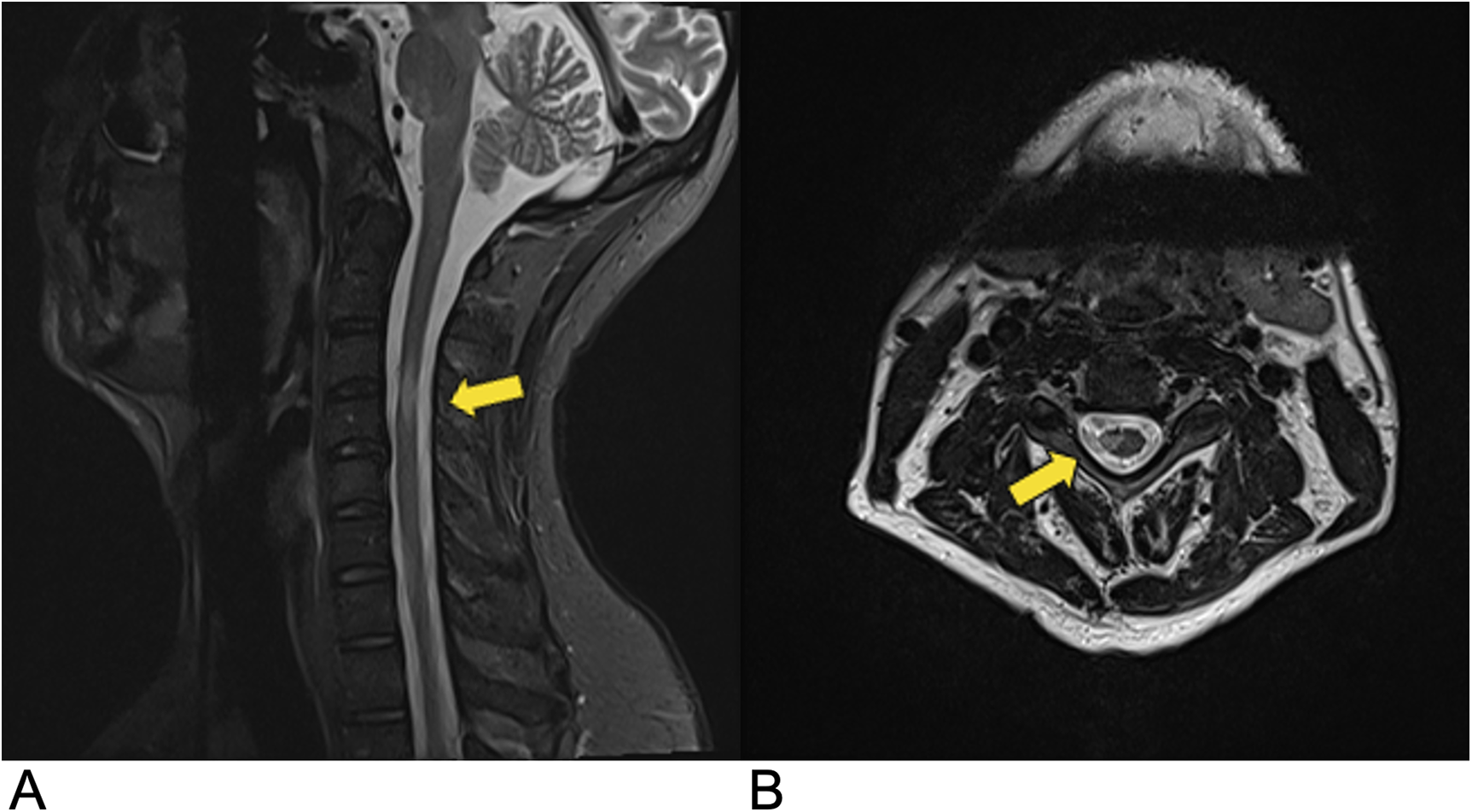
Cervical radiculopathy: Nerve root compression in the neck can mimic or coexist with CTS; if your CTS is already service-connected, a cervicogenic component may be claimable as secondary.
Cubital tunnel syndrome (ulnar nerve): Adjacent nerve compression at the elbow is common in veterans with repetitive arm use; claim separately under DC 8516.
Lateral and medial epicondylitis: Overuse injury to the elbow tendons commonly develops alongside CTS in workers with repetitive hand and wrist strain.
Depression and anxiety: Chronic pain conditions, particularly when they disrupt sleep and limit daily activities, are well-documented contributors to mood disorders; a secondary mental health claim under 38 CFR 4.130 is worth evaluating.
Sleep disturbance: Nighttime hand numbness and pain disrupting sleep can support a secondary sleep disorder claim, which may in turn support a TDIU argument under 38 CFR 4.16.
6. Common Mistakes That Kill Claims
Failing to connect the dots between your MOS and your hands. The VA will not assume that your job caused repetitive hand strain. You must spell it out in your personal statement and back it up with duty records.
Skipping nerve conduction studies. A diagnosis based on symptoms alone is weaker than one confirmed by NCS or EMG. Push your treating provider for objective testing before or at your C&P exam.
Describing symptoms only on a good day. The C&P exam captures severity at one point in time. If that day happens to be low-symptom, your rating suffers. Describe your worst days and your average days, not just how you feel that morning.
Claiming only one hand when both are affected. Bilateral CTS qualifies for separate ratings with the bilateral factor. If both hands are involved, claim both on VA Form 21-526EZ.
Accepting an inadequate C&P exam without pushing back. If the examiner does not perform a hands-on neurological exam, does not review your records, or gives a conclusory opinion without rationale, you can challenge it under 38 CFR 3.159(c)(4) and obtain a private IMO to rebut it.
7. FWD Assist Resources
FWD Assist HQ publishes plain-English guides for veterans navigating the VA claims process. The following books from the catalog are directly relevant to a carpal tunnel claim:
Crush Your C&P Exam covers what examiners actually look for in a peripheral nerve exam and how to prepare your statement of symptoms before you walk in the door.
The Nexus Letter Playbook explains exactly what makes a nexus letter legally sufficient under Barr v. Nicholson and how to work with a private provider to get the language right.
Secondary Conditions That Add Ratings walks through the most commonly overlooked downstream conditions from musculoskeletal and nerve injuries, including how to structure a secondary claim.
The TDIU Blueprint is essential if your hand function limits your ability to maintain substantially gainful employment, even at a combined rating below 70%.
The VA Appeals Playbook covers all three AMA lanes if your initial claim or rating is denied or under-evaluated.
Visit fwdassisthq.com for the full catalog.
8. Get Help Without a Claim Shark
Free accredited representation is available through Veterans Service Organizations (VSOs) such as the DAV, VFW, American Legion, and AMVETS. Your county or state may also have a County Veterans Service Officer (CVSO) who assists at no cost.
If you choose to hire a VA-accredited attorney or claims agent, federal law under 38 U.S.C. 5905 prohibits charging fees before an initial VA decision. After a decision is issued, fees are capped at 20% of past-due benefits. Any representative who charges upfront fees, asks for a retainer before a decision, or takes a percentage of your ongoing monthly benefits is violating federal law.
Verify accreditation before hiring anyone: va.gov/ogc/accreditation.asp.