
1. What This Condition Is
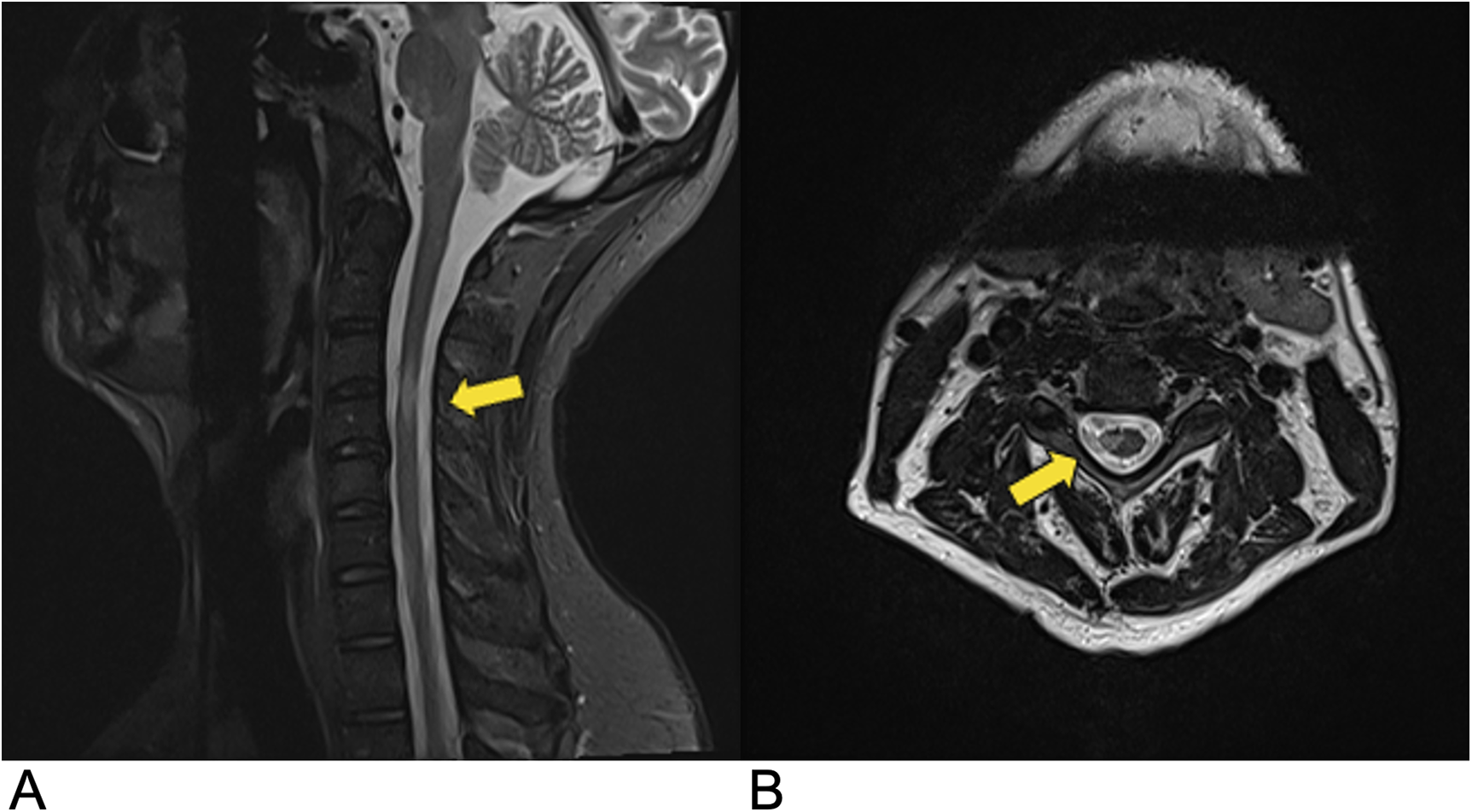
Intervertebral disc syndrome is a spinal condition caused by one or more herniated, bulging, or degenerated discs that press on nerve roots or the spinal cord. When a disc loses its structure and its inner material pushes outward, it can compress the nerves that travel through the spine. This compression produces pain that may radiate from the neck into the arms or from the lower back into the legs, along with numbness, tingling, and weakness along the affected nerve pathway. IVDS is distinct from degenerative disc disease, lumbosacral strain, and cervical strain because it has its own diagnostic code and its own separate rating formula based on incapacitating episodes.
Veterans develop IVDS from the physical demands of military service: humping heavy loads in body armor and full kit, repeated exposure to vehicular vibration, parachute landings, blast-related spinal loading, and cumulative trauma to the spine from years of physically demanding work. IVDS is among the most prevalent service-connected spinal conditions in the VA system, yet a large share of veterans with disc disease are rated only under the range-of-motion codes and never learn that a separate incapacitating episodes formula exists — and can produce ratings significantly higher than the motion-based formula alone.
When both the motion formula and the incapacitating episodes formula apply to the same spinal condition, the VA must use whichever formula produces the higher rating. Veterans should document both.
2. VA Rating Criteria
IVDS is rated under 38 CFR § 4.71a, Diagnostic Code 5243. The rating schedule provides two separate formulas: one based on incapacitating episodes and one based on range of motion. The VA must use whichever formula results in the higher evaluation.
Formula 1 — Incapacitating Episodes
An incapacitating episode is a period of acute signs and symptoms due to IVDS that requires bed rest prescribed by a physician and treatment by a physician.
| Rating | Incapacitating Episodes Per Year |
|---|---|
| 10% | At least 1 week but less than 2 weeks of incapacitating episodes |
| 20% | At least 2 weeks but less than 4 weeks of incapacitating episodes |
| 40% | At least 4 weeks but less than 6 weeks of incapacitating episodes |
| 60% | 6 or more weeks of incapacitating episodes |
Formula 2 — Range of Motion (Lumbar Spine, DC 5237 by analogy)
For the lumbar spine:
| Rating | Forward Flexion |
|---|---|
| 10% | Greater than 60 degrees but not greater than 85 degrees; or, combined range of motion not greater than 225 degrees; or, muscle spasm, guarding, or localized tenderness not resulting in abnormal gait or abnormal spinal contour |
| 20% | Greater than 30 degrees but not greater than 60 degrees; or, combined range of motion not greater than 120 degrees; or, muscle spasm or guarding severe enough to result in an abnormal gait or abnormal spinal contour such as scoliosis |
| 40% | 30 degrees or less; or, favorable ankylosis of the entire thoracolumbar spine |
| 50% | Unfavorable ankylosis of the entire thoracolumbar spine |
| 100% | Unfavorable ankylosis of the entire spine |
Radiculopathy — Rated Separately
If IVDS compresses a nerve root and produces radiculopathy (pain, numbness, tingling, or weakness radiating into the arms or legs), the radiculopathy is rated separately from the spinal condition under the appropriate peripheral nerve codes. Lumbar radiculopathy to the lower extremities is rated under the sciatic nerve schedule (DC 8520 for the sciatic nerve, DC 8521 for the femoral nerve, etc.). Cervical radiculopathy is rated under the appropriate upper extremity nerve codes.
Combining the spinal rating (under DC 5243) with a separate radiculopathy rating on the same extremity is not pyramiding. It reflects distinct functional losses — structural spinal disease and nerve compression injury — each rated under its own diagnostic code.
Under DeLuca v. Brown, 8 Vet. App. 202 (1995), the VA must consider functional loss due to pain, weakness, and fatigability, not just the static range of motion measured at the exam. If your spinal motion worsens after repetitive movement, that reduced measurement must be factored into the rating.
3. What to Expect at Your C&P Exam
The examiner will measure your range of motion using a goniometer. For the lumbar spine, this includes forward flexion, extension, lateral flexion in both directions, and rotation in both directions. For the cervical spine, the same six planes of motion are measured. The examiner will also test your muscle strength, reflexes, and sensation in the affected extremities to evaluate radiculopathy.
The examiner must ask about incapacitating episodes. If they do not raise this topic, you must raise it yourself. An incapacitating episode requires both bed rest and physician treatment — not simply severe pain — so come prepared with dates, treating physician names, and the duration of each episode over the past twelve months. Records showing urgent care visits, emergency room visits, or scheduled physician appointments during acute flare-ups corroborate the physician-treatment element.
The examiner must also perform or document repetitive range-of-motion testing. Under 38 CFR 4.40, your range after repetitive use matters for rating purposes. If the examiner measures only once and your motion worsens with activity, that additional functional loss must be documented.
Tell the examiner whether your pain radiates into your legs (for lumbar IVDS) or arms (for cervical IVDS), and describe the quality of that radiation: electrical, burning, shooting, or aching. Describe muscle weakness, foot drop, grip problems, or any other functional deficit that results from nerve compression.
4. Evidence You Need to Win
Diagnosis: Imaging confirming disc herniation, bulging disc, or disc degeneration at a specific spinal level. MRI is the standard. CT myelography and plain X-rays can supplement but are less precise for soft tissue involvement. The radiologist's or physician's report must describe the disc pathology and its relationship to adjacent nerve structures.
Nexus Letter: A private physician, orthopedic surgeon, or physiatrist must connect the disc condition to military service. The letter must cite the in-service physical demands or specific injury, describe the current pathology, and conclude "at least as likely as not" that service caused or contributed to the disc condition. This nexus must meet the Barr v. Nicholson adequacy standard: record review, diagnosis description, and medical rationale.
Incapacitating Episode Documentation: Medical records documenting every physician visit, urgent care encounter, emergency room visit, or hospitalization during an acute IVDS flare. The record should show physician-prescribed bed rest and treatment, not simply a complaint of back pain. If bed rest was recommended verbally and not documented, ask your physician to note it retroactively or provide a supporting letter.
DBQ Form: VA Form 21-0960M-12 (Spine Conditions DBQ) for the lumbar or cervical spine. Request that your treating physician complete this form with specific degree measurements for all planes of motion, notation of painful motion, and documentation of any incapacitating episodes over the past twelve months.
Radiculopathy Documentation: Nerve conduction study or EMG results, if available, documenting nerve root compression in the affected extremity. Physical examination findings of reduced reflexes, dermatomal numbness, or muscle weakness in the extremity.
Personal Statement: Describe the frequency, duration, and severity of your incapacitating episodes over the past year. Describe the functional limitations from your spinal condition: inability to sit for more than a short period, inability to lift, inability to bend, and how the condition affects your sleep, work capacity, and daily life.
Buddy Statements (VA Form 21-10210): Observers who can describe seeing you bedridden during flare-ups, witnessing physician visits, or documenting your functional limitations provide useful corroboration.
5. Secondary Conditions to Consider
Radiculopathy: As described above, nerve root compression producing radiculopathy in the upper or lower extremities is separately ratable. If you have leg or arm symptoms from IVDS, file for radiculopathy as a separate condition from the disc disease itself.
Sciatica: Lumbar disc herniation at L4-L5 or L5-S1 commonly compresses the sciatic nerve, producing sciatic pain down one or both legs. Sciatica is rated under DC 8520 based on severity of incomplete paralysis.
Hip Conditions: Altered gait mechanics from lumbar IVDS place excess load on the hip joints. Secondary degenerative hip conditions are supportable with an orthopedic nexus opinion.
Knee Conditions: Gait compensation from lumbar disc disease and radiculopathy increases stress on the knee joints. Secondary knee degeneration from a service-connected spinal condition is ratable under 38 CFR 3.310.
Depression and Anxiety: Chronic spinal pain and loss of physical function are well-documented causes of secondary mood disorders. A treating provider's nexus connecting the mental health condition to the pain and functional loss is sufficient to support a secondary claim.
Bowel and Bladder Dysfunction: Severe lumbar disc herniation with cauda equina involvement can produce neurogenic bladder or bowel dysfunction. If you have urinary urgency, incontinence, or bowel control problems, request a urology or neurology evaluation to document neurogenic origin and file for secondary service connection.
6. Common Mistakes That Kill Claims
Filing only under the range-of-motion formula and missing the incapacitating episodes formula. This is the most consequential oversight in IVDS claims. The 60% rating under the incapacitating episodes formula requires only six weeks of physician-treated bed rest per year — a threshold many veterans with severe IVDS meet without realizing they qualify for that level. Request that your treating physician document every episode that meets the definition.
Not claiming radiculopathy separately. Veterans rated for IVDS under DC 5243 often receive no separate rating for nerve root compression producing leg or arm symptoms. Radiculopathy is a distinct disability with its own separate diagnostic codes. If it is not claimed separately, the rater will not add it.
Presenting your best-day range of motion at the exam. The rating reflects your functional range, not your single best effort on exam day. If you push through pain to demonstrate a few extra degrees, the examiner records that number. Describe where pain stops your motion and let it stop there. Invoke repetitive-use testing under 38 CFR 4.40.
Not documenting physician-prescribed bed rest. A veteran who says "I've been bedridden for weeks" without a physician's note does not meet the incapacitating episode definition. Bed rest must be prescribed and treatment must occur. This is a documentation problem, not a medical reality problem. Fix it before your C&P exam.
Accepting a combined spinal rating without checking IVDS. Veterans rated under DC 5237 (lumbosacral strain) or DC 5242 (degenerative arthritis of the spine) may also have disc pathology confirmed on MRI. If IVDS is confirmed and incapacitating episodes exist, DC 5243 may produce a higher rating than the current code. A Supplemental Claim with private examination and DBQ documentation can reframe the claim under the correct code.
7. FWD Assist Resources
The following FWD Assist HQ books are directly relevant to an IVDS claim:
- Back, Knee, and Joint Claims Guide — explains how DC 5243 interacts with the range-of-motion codes, how to document incapacitating episodes, and how to build the complete spinal rating including radiculopathy
- C&P Exam Prep Guide — covers musculoskeletal and spinal exams in detail, including how to invoke DeLuca functional loss and repetitive-use testing at the exam
- Secondary Conditions Guide — walks through the spinal-to-radiculopathy, spinal-to-hip, and spinal-to-knee secondary chains from a service-connected disc condition
- Nexus Letters Guide — how to brief an orthopedic surgeon or physiatrist to produce a nexus letter that meets VA standards
All titles are available at fwdassisthq.com.
8. Get Help Without a Claim Shark
Free, accredited help is available through Veterans Service Organizations including the DAV, VFW, American Legion, and AMVETS. County Veterans Service Officers (CVSOs) file and manage claims at no cost.
Charging upfront fees to assist with a VA claim is illegal under 38 U.S.C. § 5905. VA-accredited attorneys and claims agents may charge fees only after an initial VA decision, capped at 20% of past-due benefits under 38 U.S.C. § 5904. No legitimate representative asks for money before your first decision.
Verify accreditation at va.gov/ogc/accreditation.asp.