
1. What This Condition Is
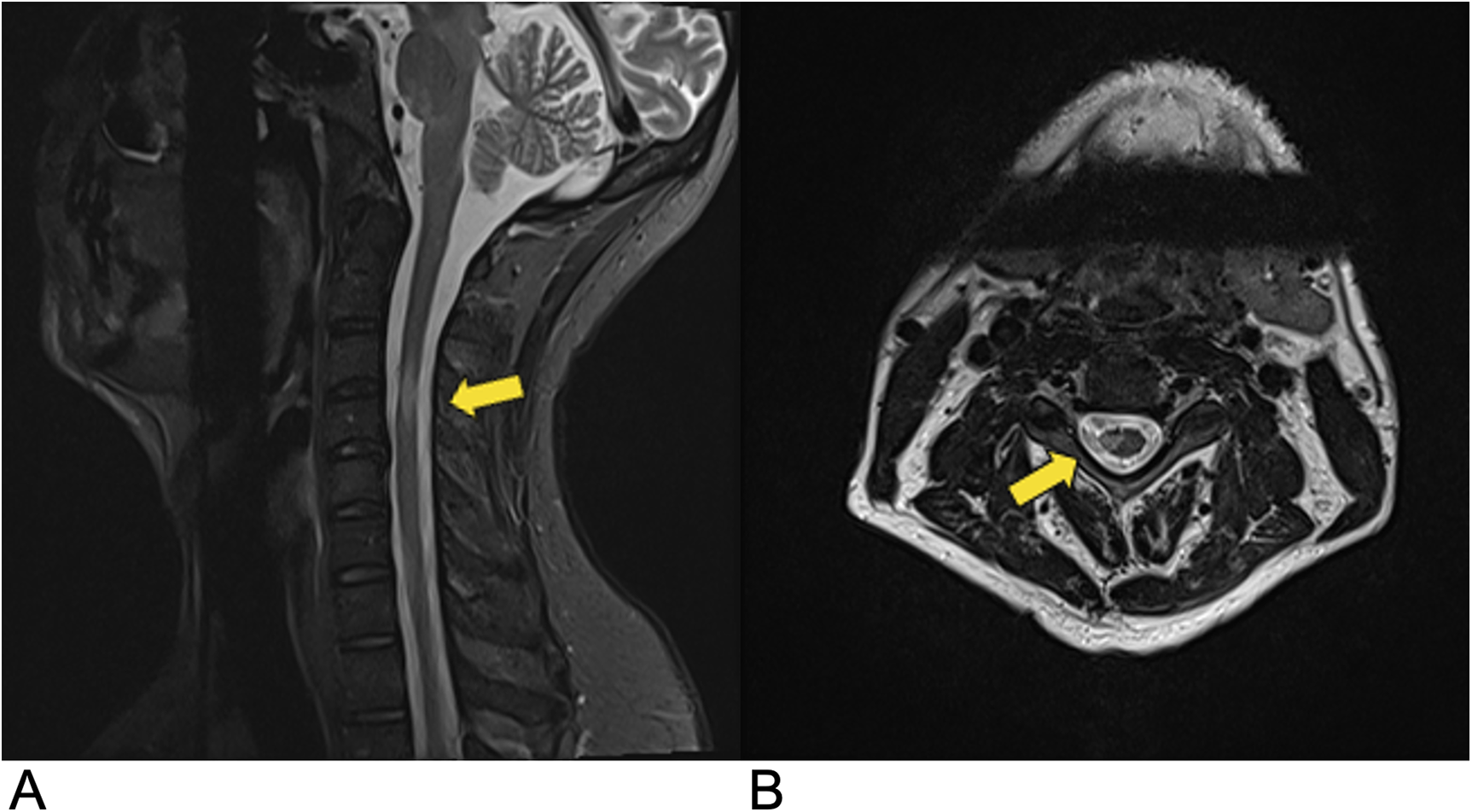
Cervical radiculopathy occurs when a nerve root in your neck is compressed, inflamed, or irritated, causing pain, numbness, tingling, or weakness that radiates from the neck into the shoulder, arm, or hand. The specific area affected depends on which nerve root is involved.
Veterans develop cervical radiculopathy for the same reasons they develop lumbar radiculopathy, years of physical stress on the spine. Load-bearing equipment, vehicle accidents, parachute landings, combat exposure, and sustained awkward postures all accelerate disc degeneration in the cervical spine. When a disc herniates or bone spurs form, they narrow the space where nerve roots exit the spinal column.
The VA rates this condition because it directly limits arm strength, hand dexterity, and the ability to perform occupational tasks. For veterans who work with their hands, it can be career-ending.
2. VA Rating Criteria
Cervical radiculopathy is rated under 38 CFR Part 4, § 4.124a, Schedule of Ratings for Neurological Conditions and Convulsive Disorders. The diagnostic code assigned depends on which nerve root group is affected and whether the impairment is characterized as paralysis, neuritis, or neuralgia.
The three radicular groups for the cervical spine are:
- Upper radicular group (C5-C6): Shoulder and elbow movement. DC 8510 (paralysis), DC 8610 (neuritis), DC 8710 (neuralgia).
- Middle radicular group (C7-C8): Wrist extension and grip. DC 8511 (paralysis), DC 8611 (neuritis), DC 8711 (neuralgia).
- Lower radicular group (C8-T1): Intrinsic hand muscles, finger movement. DC 8512 (paralysis), DC 8612 (neuritis), DC 8712 (neuralgia).
The VA uses "major" (dominant arm) and "minor" (non-dominant arm) designations, which produce different rating percentages at moderate and above severity levels.
Upper Radicular Group Paralysis, DC 8510:
| Rating | Level of Impairment |
|---|---|
| 20% | Mild incomplete paralysis (major or minor) |
| 30% | Moderate incomplete paralysis, minor |
| 40% | Moderate incomplete paralysis, major |
| 40% | Severe incomplete paralysis, minor |
| 50% | Severe incomplete paralysis, major |
| 60% | Complete paralysis, minor: all shoulder and elbow movements lost or severely affected |
| 70% | Complete paralysis, major: all shoulder and elbow movements lost or severely affected |
Neuritis (DC 8610) is rated identically to paralysis at corresponding severity levels. Neuralgia (DC 8710) is generally limited to mild or moderate equivalents and does not reach the severe or complete paralysis ratings.
The middle and lower radicular groups follow the same major/minor structure with their own maximum ratings. If multiple nerve root groups are involved, each may be rated separately.
If both arms are affected, the bilateral factor under 38 CFR § 4.26 applies, adding a 10% modifier to the combined bilateral rating before final conversion.
3. What to Expect at Your C&P Exam
The examiner will ask where your symptoms travel. Know the dermatome map for your specific level. C5-C6 radiculopathy typically produces lateral arm and thumb-side forearm symptoms. C6-C7 produces middle finger and wrist extension weakness. C7-T1 produces ring and pinky finger numbness and grip weakness. Describe exactly which fingers are affected and where the tingling or numbness begins.
Expect a Spurling test. The examiner extends your neck and presses down on the top of your head, sometimes rotating it toward the affected side. If that reproduces radiating arm pain, that is a positive Spurling sign for cervical nerve root compression.
The examiner will test grip strength and individual muscle groups. Weakness in shoulder abduction (C5), elbow flexion (C5-C6), wrist extension (C6-C7), or finger extension (C7) directly maps to cervical nerve root levels and supports a specific diagnostic code.
Reflexes will be checked. Reduced or absent biceps reflex (C5-C6) or triceps reflex (C7) on the affected side are objective neurological findings.
Tell the examiner about functional limitations. Dropping objects, difficulty buttoning clothing, inability to lift overhead, waking up with numb hands at night, these are day-to-day impacts the rating system is designed to capture. Per DeLuca v. Brown and Mitchell v. Shinseki, the examiner must account for functional loss during use and flare-up, not just static findings on examination day.
4. Evidence You Need to Win
Service connection for cervical radiculopathy most commonly runs secondary to a service-connected cervical spine condition under 38 CFR § 3.310. The evidence requirements are the same three-part framework as any secondary claim.
First, a current diagnosis. An MRI showing disc herniation or foraminal stenosis at the specific nerve root level, combined with a clinical exam showing dermatomal symptoms and reflex changes, is the strongest foundation. Electrodiagnostic studies (EMG/nerve conduction velocity) can objectively confirm nerve root involvement and show severity.
Second, a nexus opinion. The physician must review your complete records, describe your current condition, and state it is "at least as likely as not" caused or aggravated by your service-connected cervical spine condition. Under Barr v. Nicholson (2007), the opinion requires all three elements. A bare conclusion without rationale is inadequate.
Third, your own statement. Document the onset of radiating symptoms, which arm and fingers are affected, how symptoms have changed over time, and how they limit work and daily activity. Include specific functional examples. VA Form 21-10210 allows a spouse, coworker, or fellow veteran to corroborate what they have witnessed.
The applicable VA Disability Benefits Questionnaire is the "Peripheral Nerves Conditions (Not Including Diabetic Sensory-Motor Peripheral Neuropathy)" DBQ. Bring the specific rating criteria for DC 8510, 8511, or 8512 (whichever applies) to any private physician completing the DBQ, so they document findings at the correct severity thresholds.
If you have electrodiagnostic studies showing nerve root involvement, include those in your claim. They are some of the most objective evidence available for cervical radiculopathy and can be the difference between a 20% and a 40% or higher rating.
5. Secondary Conditions to Consider
Cervical radiculopathy extends its reach well beyond the neck and arm.
Carpal tunnel syndrome. CTS and cervical radiculopathy share overlapping symptoms. In a "double crush" scenario, cervical nerve root compression sensitizes the nerve along its entire path, increasing vulnerability to compression at the wrist. Secondary CTS from a service-connected cervical condition is ratable under 38 CFR § 3.310.
Loss of grip and resulting hand/wrist injuries. Weakness in grip causes dropped objects, compensatory gripping patterns, and overuse of the unaffected hand. Resulting injuries or tendinopathy in the contralateral wrist or hand can be rated secondary.
Cervicogenic headaches. Nerve root irritation and cervical muscle tension from radiculopathy-related guarding commonly cause headaches originating from the neck. Headaches are separately ratable under DC 8100.
Sleep disturbance and insomnia. Arm and hand paresthesias are frequently worse at night, disrupting sleep. Chronic sleep impairment can be rated secondary or can support higher ratings for related mental health conditions.
Major depressive disorder and anxiety. Chronic upper extremity pain and the loss of occupational and recreational capacity are well-established contributors to depression. Secondary mental health conditions caused by service-connected radiculopathy are ratable under 38 CFR § 3.310.
6. Common Mistakes That Kill Claims
Filing cervical radiculopathy before the cervical spine is service connected. Without an established primary spine condition, secondary radiculopathy has no regulatory anchor. Get the cervical spine into the system first, then file radiculopathy secondary to it.
Not documenting which arm and which fingers are affected. The rating system is built on specific nerve root levels. A vague description of "arm pain" does not tell the VA which diagnostic code to apply or which major/minor designation to use. Be precise.
Allowing the C&P exam to focus only on neck range of motion. An examiner conducting a cervical spine DBQ may not automatically examine the arms for neurological findings. Submit a written statement before the exam explicitly asking that the nerve root symptoms be evaluated separately under § 4.124a.
Not claiming bilateral involvement when both arms are affected. If you have symptoms in both arms, both sides need to be rated. Missing the bilateral factor and the second-side rating is a direct loss of compensation.
Getting EMG results and not submitting them. Electrodiagnostic studies are some of the most persuasive objective evidence available for nerve root claims. If you have them, submit them. If your private doctor ordered an EMG that came back positive and you never filed a claim, that is an evidentiary gold mine sitting unused.
7. FWD Assist Resources
The FWD Assist Back, Knee, and Joint Claims Guide covers the full cervical spine and secondary nerve condition chain, including how to connect cervical radiculopathy to a rated cervical disc condition.
The C&P Exam Preparation Guide includes a detailed walkthrough for neurological exams, covering what to say, how to describe dermatomal symptoms, and how to make sure both the spine and nerve findings get documented.
The Nexus Letter Guide explains how to commission a private physician opinion that meets Barr v. Nicholson adequacy standards for secondary nerve conditions.
The Secondary Conditions Playbook maps downstream conditions from cervical radiculopathy including carpal tunnel, headaches, and mental health, with the regulatory path for each.
8. Get Help Without a Claim Shark
Free accredited representation is available through Veterans Service Organizations including the DAV, VFW, and American Legion. County veterans service officers (CVSOs) provide one-on-one claims assistance at no cost and no obligation.
OGC-accredited agents and attorneys can represent you in more complex claims. They are legally prohibited from charging fees until after an initial VA decision has been issued. When fees are permitted, they are capped at 20% of past-due benefits under 38 CFR § 14.636. Upfront fees before a decision violate 38 U.S.C. § 5905. That is not a gray area.
Verify accreditation status at va.gov/ogc/accreditation.asp before working with any paid representative.