Veteran Homelessness Risks: What You Need to Know
"Learn the systemic, financial, and health risks that contribute to veteran homelessness and how VA support can help."
-- Excerpt from VA News
━━━THE VETERAN'S TAKE━━━
Veteran Homelessness: Understanding the Risks
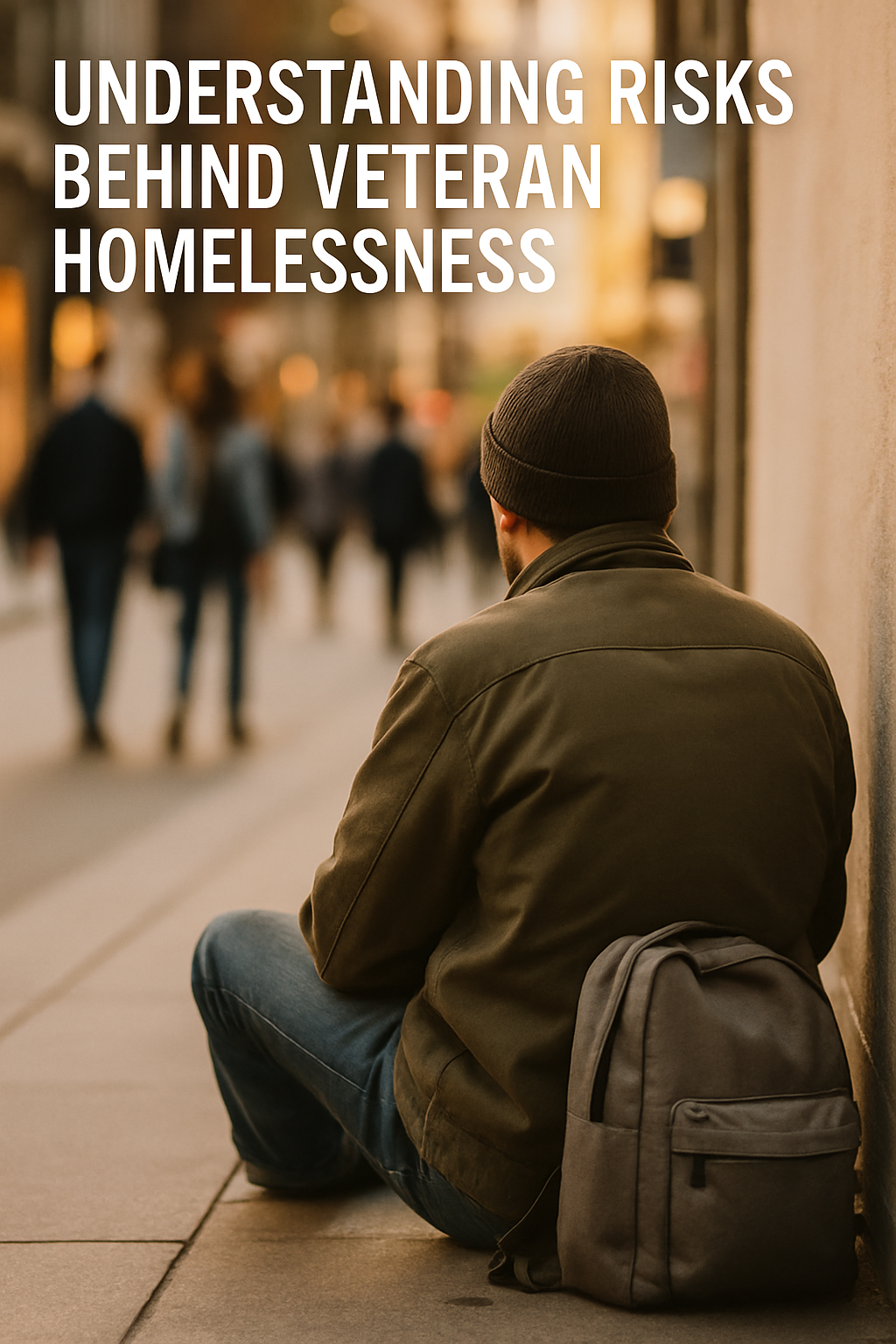
Veteran homelessness is a critical issue that impacts thousands of former service members each year. Despite the skills and discipline developed during military service, veterans often face unique challenges when transitioning back to civilian life. These challenges--ranging from financial instability to untreated health issues--can create a perfect storm that leads to homelessness.
Why does it matter? First, homelessness robs veterans of their dignity and stability. Second, many of the contributing factors, such as lack of access to VA support or missed disability benefits, are preventable with the right tools and education. Tackling this issue starts with understanding the risks, so you can take steps to protect yourself or help a fellow veteran in need.
What Veterans Need to Know
The risks contributing to veteran homelessness often fall into three categories: systemic risks, financial challenges, and health risks. Let’s dig into each one.
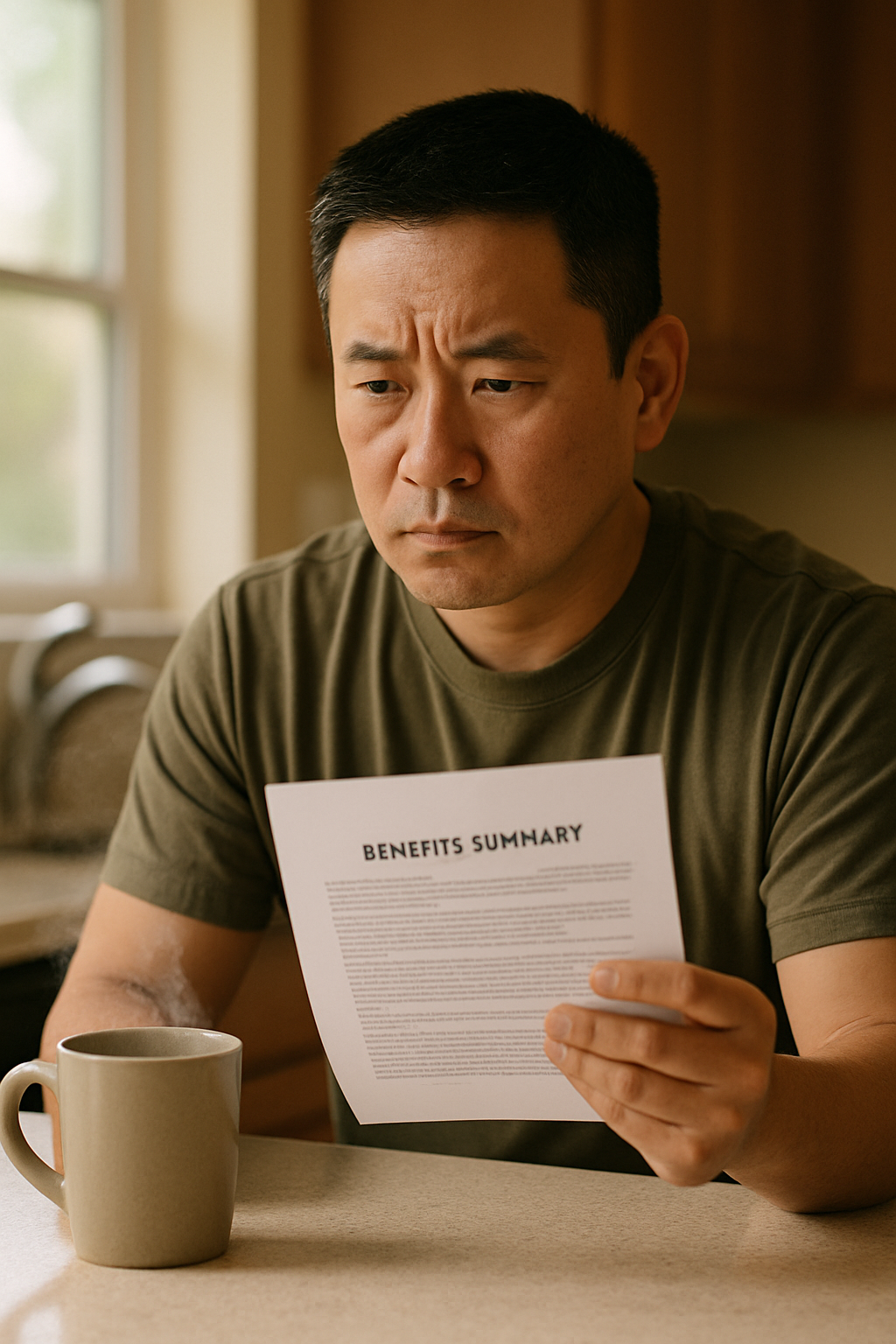
Systemic Risks: Many veterans face difficulty accessing the benefits they’ve earned due to complex VA processes, lack of documentation, or missed deadlines. For example, a missed Compensation and Pension (C&P) exam or an incomplete disability claim can delay access to crucial financial support. Additionally, transitioning service members often face an information gap, leaving them unaware of programs designed to help them.
Not sure where you stand with your VA claim?
Take the free 5-minute Claim Readiness Check and see what to focus on next.
Start the CheckFinancial Challenges: Losing stable income after leaving the military can create a ripple effect. Veterans who struggle to find employment, or who face underemployment, may not have enough to cover basic necessities. Disability compensation can help bridge this gap, but only if claims are filed correctly and promptly. Unexpected expenses, such as medical bills, can push already struggling veterans into homelessness.
Health Risks: Many veterans grapple with untreated mental health conditions like post-traumatic stress disorder (PTSD), traumatic brain injuries (TBI), or substance use disorders. These issues can make it harder to stay employed, maintain relationships, or secure housing. Worse, untreated conditions often escalate over time, compounding the problem.
Your Action Plan
- Start with Your Benefits: Make sure you’ve filed for all VA benefits you’re eligible for, including disability compensation. Check out Win Your VA Disability Claim for step-by-step guidance on filing claims the right way.
- Address Housing Needs: If you’re already at risk of homelessness, contact the VA’s National Call Center for Homeless Veterans at 1-877-4AID-VET. Programs like HUD-VASH combine housing vouchers with case management to get you back on your feet.
- Focus on Health: Schedule an appointment with your VA healthcare provider to address mental and physical health concerns. Be transparent about your needs; untreated conditions can snowball into larger issues.
- Plan Your Transition: If you’re still on active duty, look into Benefits Delivery at Discharge (BDD) claims through the VA. Filing before you leave service can expedite your benefits and reduce gaps in support. Learn more here.
Bottom Line
Veteran homelessness is preventable, but only if you take action early. The systemic risks, financial challenges, and health risks veterans face are significant but manageable with the right resources. Start by filing your claims, addressing your health, and seeking housing assistance if needed. Remember, your service matters, and so does your well-being. FWD Assist is here to help you tackle these challenges head-on with accessible tools and education for every step of the process.
Not sure where you stand with your VA claim?
Take the free 5-minute Claim Readiness Check and see what to focus on next.
Start the Check
About FWD Assist HQ
J. Erickson is a veteran and the author behind FWD Assist HQ, writing plain-language guides that help veterans understand their own VA claims. Education, not representation. No hype, no claim sharks. Learn more about the mission.
Educational Content Only: This article is for educational purposes only and does not constitute legal or professional claims advice. If you need help with your VA claim, start by contacting your local Veterans Service Organization (VSO) -- they're free, accredited, and can represent you through the entire process. If your situation requires more specialized support, consider consulting an accredited VA attorney or claims agent.
Get the Complete Playbook
200+ pages of step-by-step VA claim strategies, templates, and 38 CFR citations. Everything you need to file with confidence.
Related Condition Guides
From the VA Condition Library
Mental Health
PTSD (Post-Traumatic Stress Disorder)
PTSD is a psychiatric condition that develops after exposure to actual or threatened death, serious injury, or sexual violence.
View GuideMusculoskeletal / Joint
Hip -- Limitation of Motion
Hip limitation of motion means the hip joint does not move through its full normal range.
View GuideNot sure where you stand with your VA claim?
Take the free 5-minute Claim Readiness Check and see what to focus on next.
Start the Check