Veteran Suicide Prevention: Steps That Save Lives
"Learn actionable steps, mental health resources, and how to get help through the VA Crisis Line to prevent veteran suicide."
— Excerpt from VA News
━━━THE VETERAN'S TAKE━━━
Veteran Suicide: A Critical Issue That Demands Action
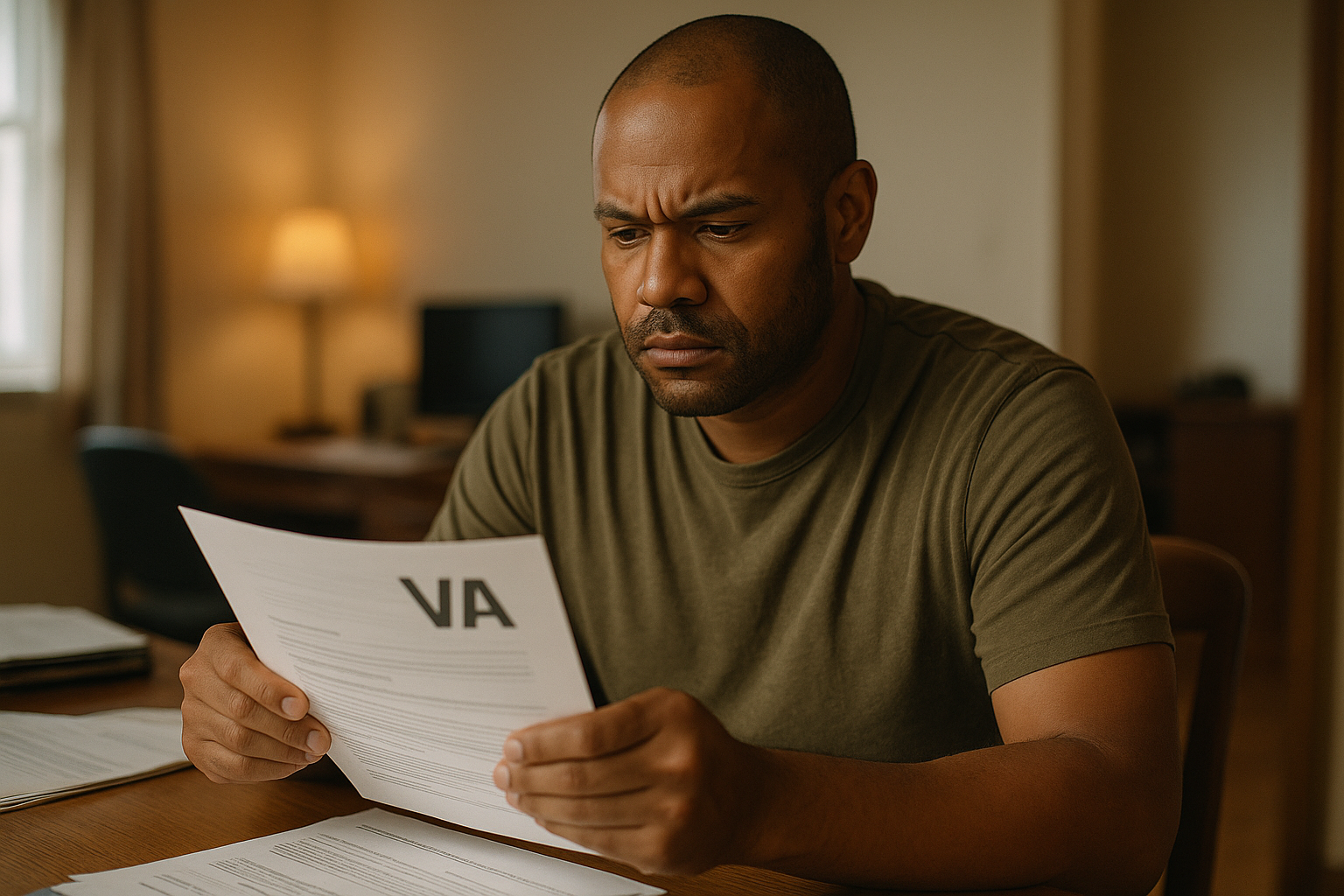
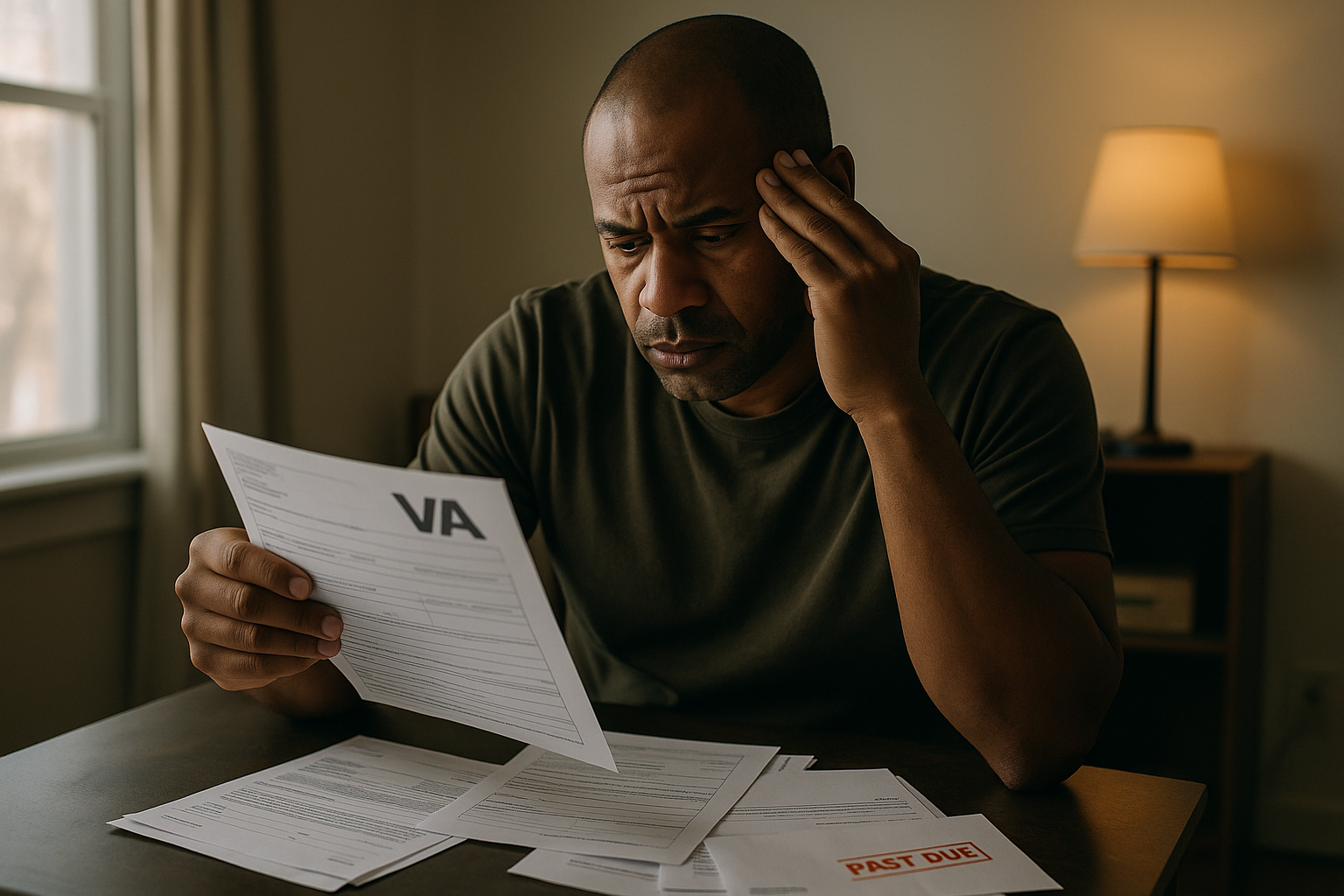
Every day, veterans face challenges that can feel insurmountable. After leaving service, the transition to civilian life can bring unexpected stress, isolation, and mental health struggles. For some, these challenges can lead to thoughts of suicide. This is a reality we cannot ignore. Veteran suicide prevention is not just a priority--it’s a responsibility we share as a community.
But here’s the good news: resources, support networks, and actionable steps exist to help veterans in crisis. Whether you’re struggling yourself or want to help a buddy, knowing what to do and where to turn can make all the difference. The VA offers vital tools like the VA Crisis Line, but there are also steps you can take right now to protect and support yourself or a fellow veteran.
What Veterans Need to Know
First, understand that mental health struggles are not a sign of weakness. They are common and treatable, especially for veterans who’ve experienced high-stress environments. In fact, post-traumatic stress disorder (PTSD), depression, and anxiety are among the most common mental health conditions veterans face. These conditions can be service-connected, and getting treatment is a critical first step.
Free Guide: 5 Mistakes That Get VA Claims Denied
Before you go further, grab the free download that shows you what NOT to do.
The Department of Veterans Affairs (VA) offers numerous mental health resources specifically for veterans, including counseling, therapy, and medication options. Many of these services are free for eligible veterans, especially if your condition is related to your service. File a VA disability claim for mental health conditions to access these benefits. Be sure to provide clear medical evidence and a strong personal statement that connects your condition to your service. For more guidance, check out Win Your VA Disability Claim.
Suicide awareness is also about recognizing the warning signs. If you or someone you know is withdrawing, expressing feelings of hopelessness, or talking about ending their life, take those signs seriously. Act immediately by contacting the VA Crisis Line or reaching out to local emergency services. Prevention is possible when you take action early.
Your Action Plan
- Know the VA Crisis Line: Dial 988 and press 1. Save this number in your phone and share it with others. The VA Crisis Line provides confidential support 24/7 for veterans and their families.
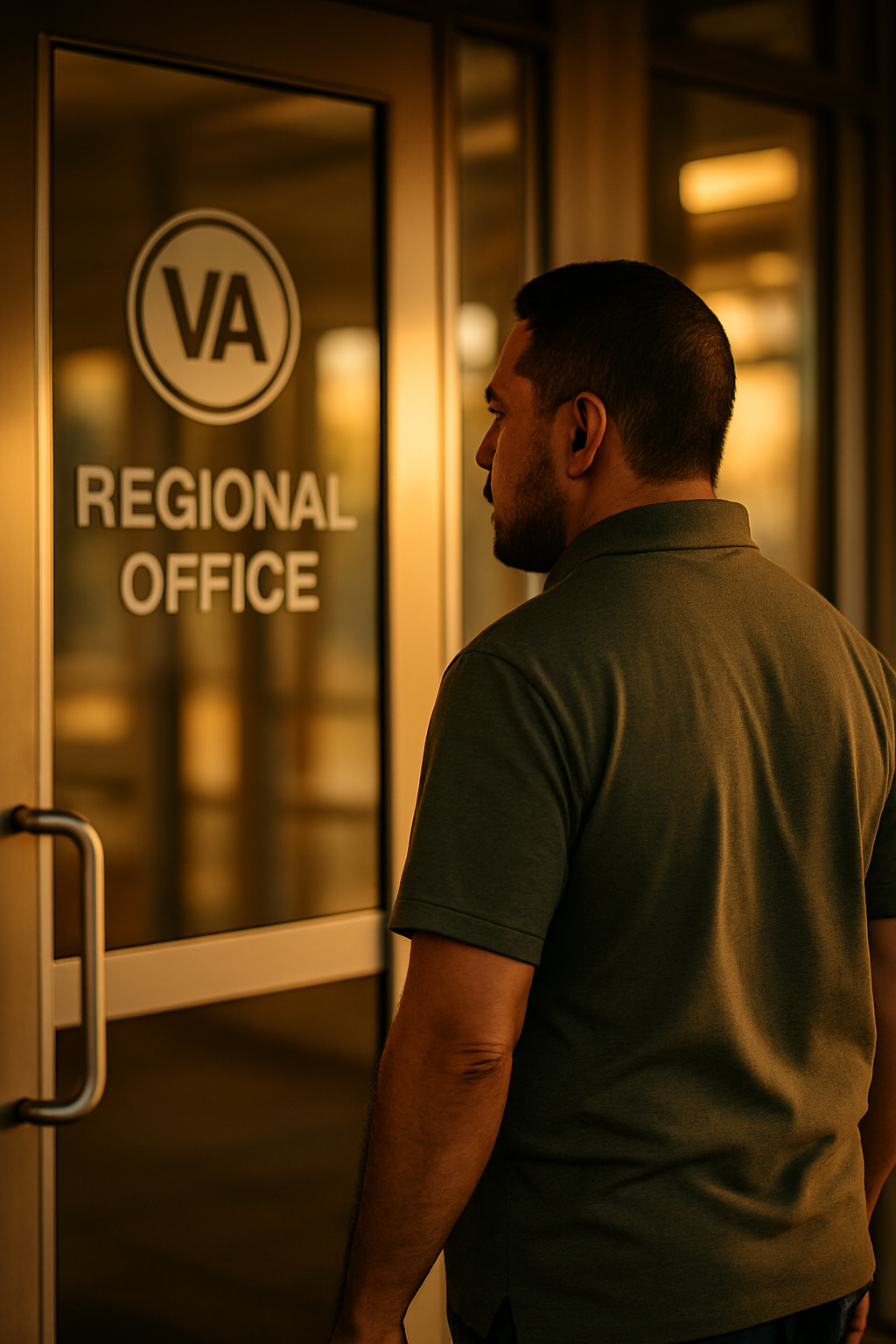
- Access VA mental health resources: Contact your nearest VA medical center or use the tools on our website to locate mental health services. If your mental health condition is service-connected, file a VA disability claim to get the care and compensation you deserve.
- Build a support network: Stay connected with fellow veterans, friends, and family. Isolation can worsen mental health, so make the effort to maintain relationships and attend veteran support groups in your area.
- Be proactive about your mental health: Don’t wait for a crisis to get help. Regularly schedule mental health check-ins with a VA provider and seek therapy if needed. The earlier you address issues, the better the outcome.
Bottom Line
Veteran suicide is a preventable tragedy, and the first step toward prevention is action. Whether it’s calling the VA Crisis Line, using VA mental health resources, or building a strong support network, there are solutions within reach. If you’re struggling or know someone who is, don’t wait--act today. Let’s look out for each other, because no veteran fights alone.
Want More Guidance Like This?
Grab our free guide: 5 Mistakes That Get VA Claims Denied
Real filing errors, straight from years of claims work. Sent to your inbox immediately.
No spam. Unsubscribe anytime.
About FWD Assist HQ
FWD Assist HQ is led by Joshua Christopherson, a disabled U.S. Air Force and Air National Guard veteran with years of Veterans Service Officer–level experience assisting thousands of veterans through the VA disability claims process. FWD Assist HQ provides education-first resources to help veterans advocate for themselves. Learn more about the mission.
Educational Content: This article is for educational purposes only and does not constitute legal advice. For personalized guidance on your VA claim, consult with an accredited VA attorney or claims agent.
Get the Complete Playbook
200+ pages of step-by-step VA claim strategies, templates, and 38 CFR citations. Everything you need to file with confidence.
Related Condition Guides
From the VA Condition Library
Mental Health
PTSD (Post-Traumatic Stress Disorder)
PTSD is a psychiatric condition that develops after exposure to actual or threatened death, serious injury, or sexual violence.
View GuideMental Health
Major Depressive Disorder (MDD)
Major depressive disorder is a clinical diagnosis characterized by persistent depressed mood, loss of interest in activities that once mattered, changes in sleep and appetite, fatigue, difficulty concentrating, feelings of worthlessness, and in severe cases, thoughts of death or suicide.
View GuideMental Health
Generalized Anxiety Disorder (GAD)
Generalized Anxiety Disorder is a diagnosed mental health condition characterized by persistent, excessive worry that is difficult to control and disrupts daily life.
View GuideGet the next post in your inbox
New articles on VA claims, evidence, and 38 CFR straight to you. No fluff. Unsubscribe any time.