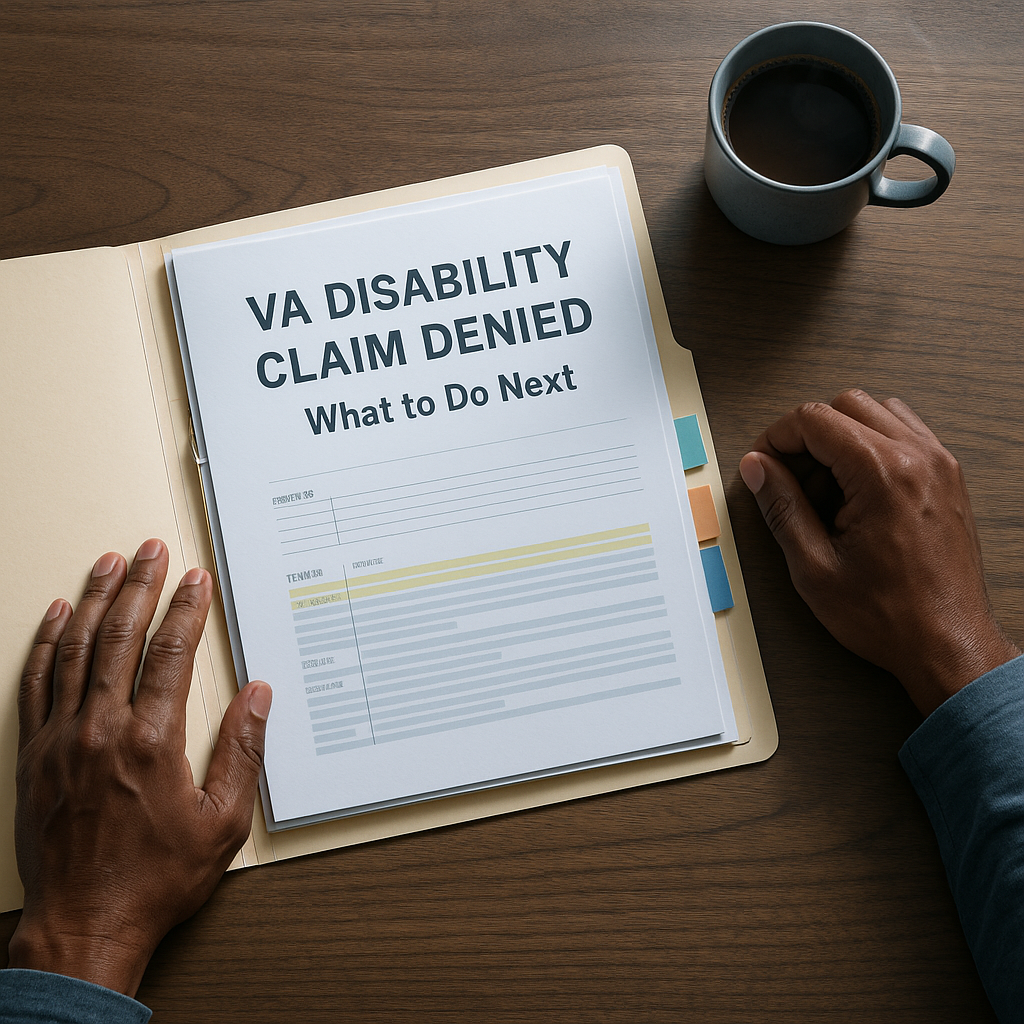
VA Disability Claim Denied: What to Do Next
"Your VA claim was denied. Now what? Learn your three appeal options, common denial reasons, and the exact steps to file a successful appeal."
━━━THE VETERAN'S TAKE━━━
Your VA Claim Was Denied, Don't Give Up
Receiving a denial letter from the VA can feel like a punch to the gut. After months of waiting, gathering evidence, and hoping for the best, seeing "service connection denied" can be devastating.
But here's what most veterans don't realize: a denial is not the end. It's often just the beginning of a longer process, and veterans who appeal often succeed.
According to VA data, roughly 20% of initial claims are denied. However, the appeal success rate varies significantly based on the type of appeal and the strength of new evidence submitted. Understanding your options is the first step to turning that denial around.
Why Do VA Claims Get Denied?
Before you can fix the problem, you need to understand what went wrong. The VA denies claims for several common reasons:
1. No Current Diagnosis
The VA requires a current, diagnosed condition. If your medical records don't show an active diagnosis at the time of your claim, you'll likely be denied. This is especially common for conditions that flare up intermittently, like migraines or back pain.
The fix: Get a current diagnosis from a qualified medical provider before filing or appealing.
2. No In-Service Event
You must show that something happened during your military service that caused or contributed to your condition. This could be an injury, exposure to hazards, or a documented medical event.
The fix: Dig into your service treatment records, buddy statements, and deployment records to establish the in-service event.
3. No Nexus (Medical Connection)
Even if you have a current diagnosis and an in-service event, the VA needs a medical opinion linking the two. This "nexus" is often the missing piece in denied claims.
The fix: Obtain a nexus letter from a qualified medical professional who can explain how your current condition is connected to your military service.
4. Insufficient Evidence
The VA operates on a "benefit of the doubt" standard, but only when evidence is roughly equal. If your evidence is weak or incomplete, the VA will deny your claim.
The fix: Gather more evidence, medical records, treatment notes, personal statements, buddy letters, and any documentation that supports your case.
Your Three Appeal Options Under the AMA
Since February 2019, the VA has operated under the Appeals Modernization Act (AMA), which gives you three lanes to choose from when appealing a decision:
Option 1: Supplemental Claim
This is the most common and often fastest path. You file VA Form 20-0995 and submit new and relevant evidence that wasn't in your original claim file.
Best for: Veterans who have additional evidence to submit, a new diagnosis, nexus letter, buddy statement, or medical records.
Timeline: Typically 4-6 months for a decision.
Option 2: Higher-Level Review
File VA Form 20-0996 if you believe the VA made an error based on the evidence already in your file. A senior reviewer will take a fresh look at your case.
Best for: Veterans who believe their evidence was strong enough but was misinterpreted or overlooked.
Note: You cannot submit new evidence with this option.
Timeline: Typically 4-5 months.
Option 3: Board Appeal
File VA Form 10182 to appeal directly to the Board of Veterans' Appeals (BVA). You can choose a direct review, request a hearing, or submit new evidence.
Best for: Complex cases or when you want to present your case directly to a Veterans Law Judge.
Timeline: 1-2+ years, depending on the docket.
How to Read Your Denial Letter
Your denial letter contains critical information. Here's what to look for:
- The specific reason for denial, Look for language like "no current diagnosis," "no in-service event," or "no nexus."
- The evidence they reviewed, This tells you what the VA considered and what might be missing.
- The 38 CFR citation, This points you to the specific regulation governing your claim.
- Your appeal deadline, You typically have one year from the date of the decision to file an appeal.
Step-by-Step: Filing a Supplemental Claim
If you have new evidence (and most denied veterans should pursue this route), here's how to file:
- Download VA Form 20-0995 from va.gov
- Identify your new evidence, nexus letter, buddy statement, updated medical records, etc.
- Complete the form, List the condition(s) you're appealing and describe your new evidence
- Attach your evidence, Include everything that supports your claim
- Submit, File online, by mail, or in person at your regional VA office
Common Mistakes to Avoid
Don't sabotage your appeal by making these errors:
- Missing the deadline, You have one year. Set a calendar reminder.
- Filing without new evidence, A Supplemental Claim requires new and relevant evidence. Don't just refile the same paperwork.
- Writing an emotional statement, Keep your personal statement factual and focused on the medical evidence.
- Ignoring the denial reason, Address the specific issue the VA identified. If they said "no nexus," submit a nexus letter.
When to Get Help
You can file appeals on your own, but consider getting help if:
- Your case is complex (multiple conditions, BDD claim, combat-related PTSD)
- You've been denied multiple times
- You're pursuing a Board appeal
Free help is available through accredited Veterans Service Organizations (VSOs) like the DAV, VFW, and American Legion. Never pay anyone a percentage of your back pay--that's a sign of a claim shark.
The Bottom Line
A VA claim denial is frustrating, but it's not final. Understand why you were denied, gather the right evidence, and choose the appeal path that fits your situation. Most importantly, don't give up, your benefits are worth fighting for.
About FWD Assist HQ
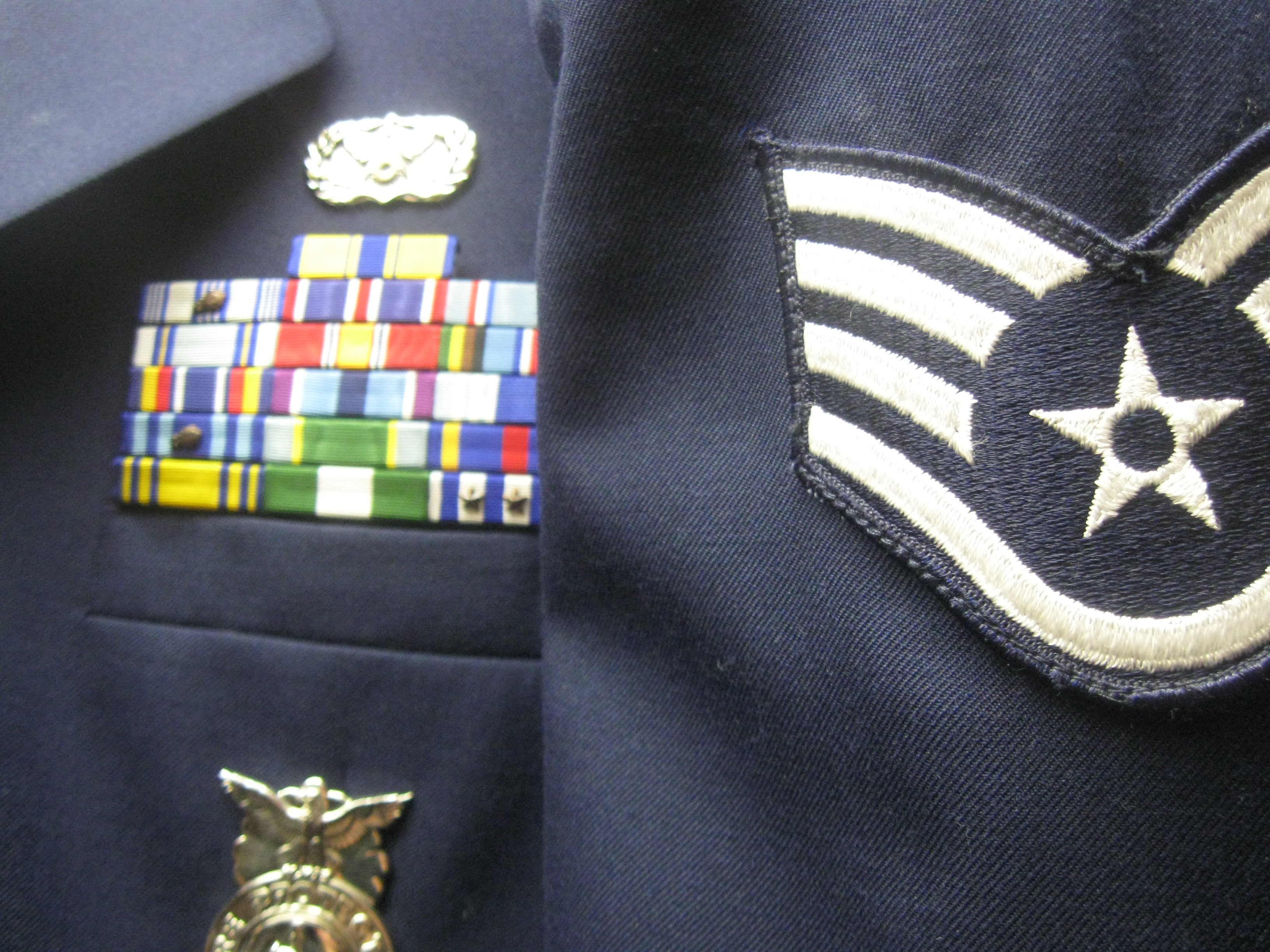
J. Erickson is a service-disabled Air Force veteran. He served as a military firefighter and as a veteran service officer, where he spent years walking veterans through the same claims process he writes about now. He holds an MBA and writes plain-language guides for veterans who want to understand the system without a translator. Learn more about the mission.
Educational Content Only: This article is for educational purposes only and does not constitute legal or professional claims advice. If you need help with your VA claim, start by contacting your local Veterans Service Organization (VSO) -- they're free, accredited, and can represent you through the entire process. If your situation requires more specialized support, consider consulting an accredited VA attorney or claims agent.
Explore the Upcoming Library
200+ pages of step-by-step VA claim strategies, templates, and 38 CFR citations. Everything you need to file with confidence.
Related Condition Guides
From the VA Condition Library
Musculoskeletal / Joint
Lumbosacral Strain (Lower Back)
Lumbosacral strain is chronic pain, stiffness, and functional limitation in the lower back caused by injury or overuse of the muscles, ligaments, and soft tissue supporting the lumbar and sacral spine.
View GuideSpine / Neurological
Migraine Headaches
VA rates migraines under DC 8100 based on frequency and severity of prostrating attacks. One of the highest-rated single conditions when properly documented.
View GuideMental Health
PTSD (Post-Traumatic Stress Disorder)
PTSD is a psychiatric condition that develops after exposure to actual or threatened death, serious injury, or sexual violence.
View Guide