

VA Supplemental Claim: When and How to File Form 20-0995
"The Supplemental Claim is the most common appeal path. Learn when to use it, what evidence you need, and how to file VA Form 20-0995."
━━━THE VETERAN'S TAKE━━━
What Is a Supplemental Claim?
A Supplemental Claim is one of three appeal options under the Appeals Modernization Act (AMA). It allows you to ask the VA to reconsider a previously denied claim by submitting new and relevant evidence.
Key requirement: You must have new and relevant evidence.
When to File a Supplemental Claim
A Supplemental Claim is the right choice when:
- Your claim was denied and you have new evidence to submit
- You received a lower rating than expected and have additional documentation
- You've obtained a nexus letter you didn't have before
- Your condition has worsened since the original decision
What Counts as "New and Relevant" Evidence?
- Nexus letter
- Updated diagnosis
- Buddy statements
- Service records
- Private medical records
- Personal statement
- DBQ from private provider
The Supplemental Claim Process
- Identify what was missing
- Gather your new evidence
- Complete VA Form 20-0995
- Submit
- Attend your C&P exam if scheduled
Timeline Expectations
Supplemental Claims typically take 4-6 months. The VA's goal is to process them within 125 days.
Important Deadlines
You have one year from the date of the decision to file if you want to preserve your original effective date.
Tips for Success
- Address the specific denial reason
- Get a strong nexus letter
- Include a personal statement
- Organize your evidence
- Consider a VSO
About FWD Assist HQ
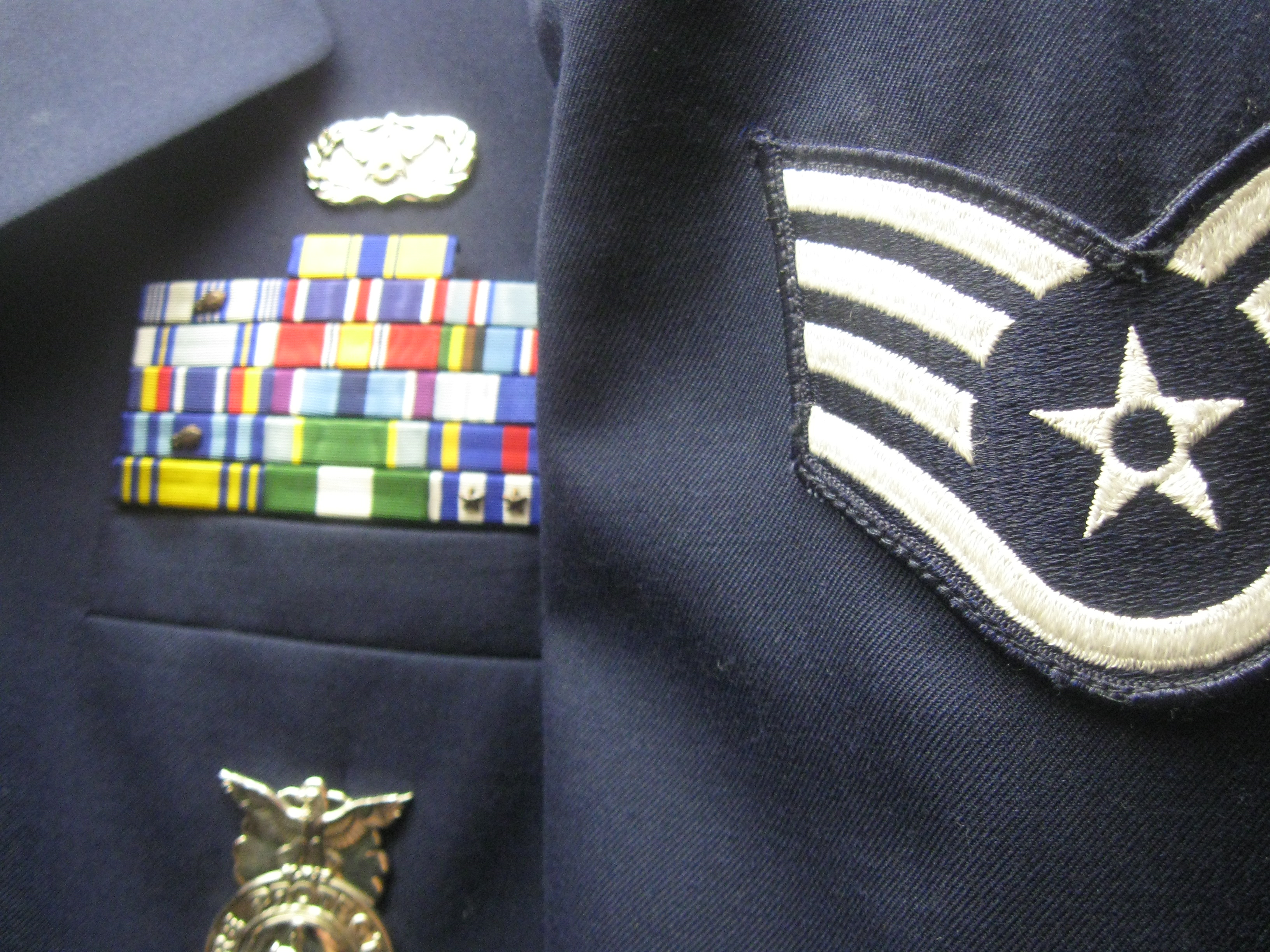
J. Erickson is a service-disabled Air Force veteran. He served as a military firefighter and as a veteran service officer, where he spent years walking veterans through the same claims process he writes about now. He holds an MBA and writes plain-language guides for veterans who want to understand the system without a translator. Learn more about the mission.
Educational Content Only: This article is for educational purposes only and does not constitute legal or professional claims advice. If you need help with your VA claim, start by contacting your local Veterans Service Organization (VSO) -- they're free, accredited, and can represent you through the entire process. If your situation requires more specialized support, consider consulting an accredited VA attorney or claims agent.
Explore the Upcoming Library
200+ pages of step-by-step VA claim strategies, templates, and 38 CFR citations. Everything you need to file with confidence.