
Mental Health Support for Veterans: What You Need to Know
"Veterans, facing mental health challenges? Here’s how to access VA resources, reduce stigma, and protect your well-being."
— Excerpt from VA News
━━━THE VETERAN'S TAKE━━━
Why Mental Health Awareness Matters for Veterans
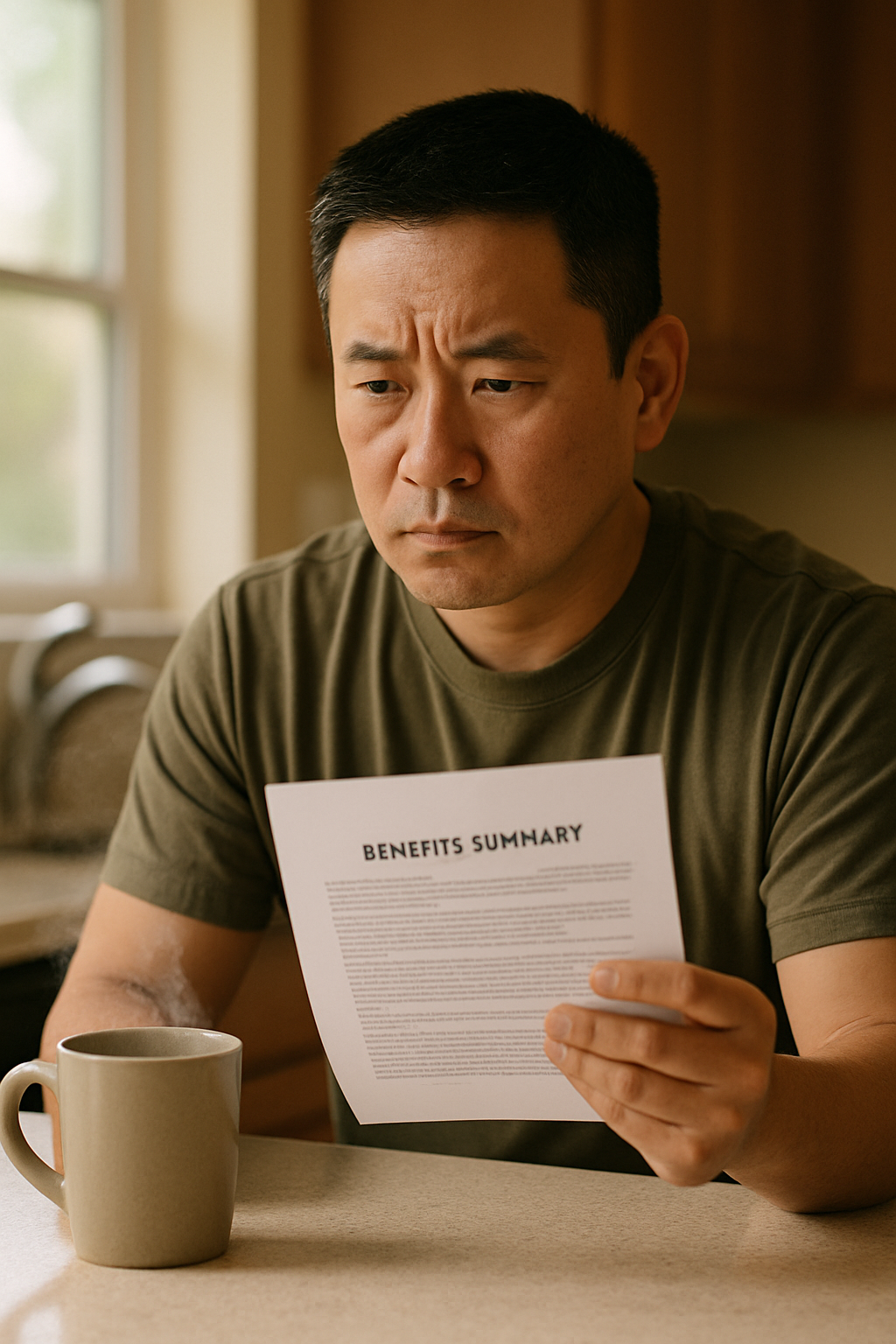
If you’re a veteran, you’ve faced challenges most civilians can’t imagine. Mental health is no exception. From combat stress to transitioning out of service, the weight of it all can take a toll. The problem is, many veterans don’t seek help because of stigma or a lack of awareness about available support.
Here’s the deal -- untreated mental health conditions can impact every part of your life: relationships, career, and even physical health. The VA recognizes this and offers resources to help you get back on track. But you’ve got to know how to access them. Ignoring the problem won’t make it go away.
What Veterans Need to Know
The VA has tools and resources for veteran mental health, but it’s up to you to use them. Here’s a quick breakdown of what’s out there:
- VA Mental Health Services: Every VA Medical Center has mental health professionals on staff. They offer counseling, medication management, and group therapy.
- Vet Centers: These are community-based centers focused on mental health support for combat vets and their families. They’re less formal than VA hospitals and offer free, confidential services.
- Crisis Support: The Veterans Crisis Line is open 24/7. Dial 988, then press 1, or text 838255. Don’t wait until things spiral out of control.
For those filing VA claims, mental health conditions like PTSD (Post-Traumatic Stress Disorder) require specific documentation. You’ll need a diagnosis, evidence linking it to your service, and a medical opinion (also called a nexus letter).
Free Guide: 5 Mistakes That Get VA Claims Denied
Before you go further, grab the free download that shows you what NOT to do.
Be aware of the stigma too. Many veterans hesitate to seek help because they don’t want to look weak. That mindset? It’s outdated. Getting help isn’t weakness -- it’s strength. The VA process can feel like a maze, but the support is there if you push for it.
Your Action Plan
- Step 1: Get evaluated. Schedule an appointment with your local VA or Vet Center to talk about what you’re experiencing. Be honest -- vague descriptions won’t help you or your claim.
- Step 2: Gather documentation. If you’re filing for a VA disability claim, you’ll need your service records, medical evidence (like treatment notes), and a solid nexus letter linking your condition to your service.
- Step 3: File your claim. Use VA Form 21-526EZ for mental health-related conditions. Don’t assume the VA will connect the dots for you. Lay it all out clearly, and follow up regularly.
Bottom Line
Veteran mental health is too important to ignore. The VA has resources, but it’s up to you to take that first step. Don’t let stigma or lack of knowledge hold you back. Whether it’s seeking counseling, filing a claim, or both, do what you need to protect your well-being. There’s no shame in asking for help. We’ve got your six.
Need more guidance? Check out additional resources at FWD Assist HQ to get started.
Want More Guidance Like This?
Grab our free guide: 5 Mistakes That Get VA Claims Denied
Real filing errors, straight from years of claims work. Sent to your inbox immediately.
No spam. Unsubscribe anytime.
About FWD Assist HQ
FWD Assist HQ is led by Joshua Christopherson, a VA disability claims educator and disabled U.S. Air Force and Air National Guard veteran with hands-on VSO experience assisting thousands of veterans through the VA disability claims process. FWD Assist HQ provides education-first resources to help veterans advocate for themselves. Learn more about the mission.
Educational Content Only: This article is for educational purposes only and does not constitute legal or professional claims advice. If you need help with your VA claim, start by contacting your local Veterans Service Organization (VSO) -- they're free, accredited, and can represent you through the entire process. If your situation requires more specialized support, consider consulting an accredited VA attorney or claims agent.
Get the Complete Playbook
200+ pages of step-by-step VA claim strategies, templates, and 38 CFR citations. Everything you need to file with confidence.
Related Condition Guides
From the VA Condition Library
Mental Health
PTSD (Post-Traumatic Stress Disorder)
PTSD is a psychiatric condition that develops after exposure to actual or threatened death, serious injury, or sexual violence.
View GuideMental Health
Major Depressive Disorder (MDD)
Major depressive disorder is a clinical diagnosis characterized by persistent depressed mood, loss of interest in activities that once mattered, changes in sleep and appetite, fatigue, difficulty concentrating, feelings of worthlessness, and in severe cases, thoughts of death or suicide.
View GuideMental Health
Generalized Anxiety Disorder (GAD)
Generalized Anxiety Disorder is a diagnosed mental health condition characterized by persistent, excessive worry that is difficult to control and disrupts daily life.
View GuideGet the next post in your inbox
New articles on VA claims, evidence, and 38 CFR straight to you. No fluff. Unsubscribe any time.