
Integrative Health and Deep Rest for Veterans
"Learn integrative health and deep rest techniques to manage stress, improve well-being, and better handle service-related challenges."
— Excerpt from VA News
━━━THE VETERAN'S TAKE━━━
Why Integrative Health Matters for Veterans
Life after the military isn’t always smooth sailing. Many of us carry stress, physical pain, or mental strain from service. Some days, it feels like no matter what you try, you’re running on empty. That’s where integrative health comes in. It’s not about replacing traditional care--it’s about adding tools to your arsenal to feel better and manage life on your terms.
The VA has started recognizing the importance of this approach, offering programs like yoga, acupuncture, and meditation. These aren’t just “feel-good” activities. They can help you sleep better, manage chronic pain, and reduce stress. For those of us dealing with conditions tied to service, these methods might make your day-to-day life more manageable--maybe even improve how you approach your VA claims process.
What Veterans Need to Know
Integrative health means combining traditional medical care with practices that support your overall well-being. It’s like stacking tools in a toolbox--you’ve got more than one way to get the job done. For veterans, some of the most effective practices are tied to deep rest and stress management.
Deep rest techniques focus on resetting your nervous system. When you’re constantly on edge--hypervigilant or anxious--your body burns out. Practices like yoga nidra (a type of guided meditation), progressive muscle relaxation, or even mindfulness breathing can shift your body into a “rest and repair” mode. This isn’t woo-woo stuff. It’s science. Deep rest can lower cortisol levels (stress hormone), improve heart rate, and even help with PTSD symptoms.
Free Guide: 5 Mistakes That Get VA Claims Denied
Before you go further, grab the free download that shows you what NOT to do.
Meanwhile, stress management techniques like tai chi or acupuncture can help with chronic pain and tension. If you’re someone dealing with migraines, back pain, or sleepless nights, these methods might offer relief where pills haven’t.
Here’s the deal: the VA offers many of these services, but you’ve got to ask for them. They’re under the “Whole Health” initiative. Some locations have more options than others, but it’s worth pushing for what you need.
Your Action Plan
- Step 1: Explore VA Whole Health Programs. Log into your My HealtheVet account and check the Whole Health section. Look for classes or services like yoga, meditation, tai chi, or acupuncture. If they’re not listed, reach out to your VA facility and ask what’s available.
- Step 2: Start Small and Build a Routine. You don’t need to dive into everything at once. Pick one practice--like 10 minutes of mindfulness breathing daily--and stick with it for a month. Build from there.
- Step 3: Document the Impact. If you’re using these techniques to manage a service-connected condition, track how they help. This can support rating increases or secondary condition claims. For example, if yoga is helping your back pain, note how often you practice and how it changes your pain level. This evidence can be useful later.
Bottom Line
Integrative health and deep rest techniques aren’t about “fixing” everything. They’re about giving you more tools to handle life after service. Whether it’s managing stress, improving sleep, or easing chronic pain, these methods can make a real difference. The VA is starting to get on board--but it’s up to you to take the first step. Start small, track your progress, and don’t be afraid to advocate for yourself. If you’re looking for more ways to strengthen your claim, check out our resources to take control of your VA benefits process.
Want More Guidance Like This?
Grab our free guide: 5 Mistakes That Get VA Claims Denied
Real filing errors, straight from years of claims work. Sent to your inbox immediately.
No spam. Unsubscribe anytime.
About FWD Assist HQ
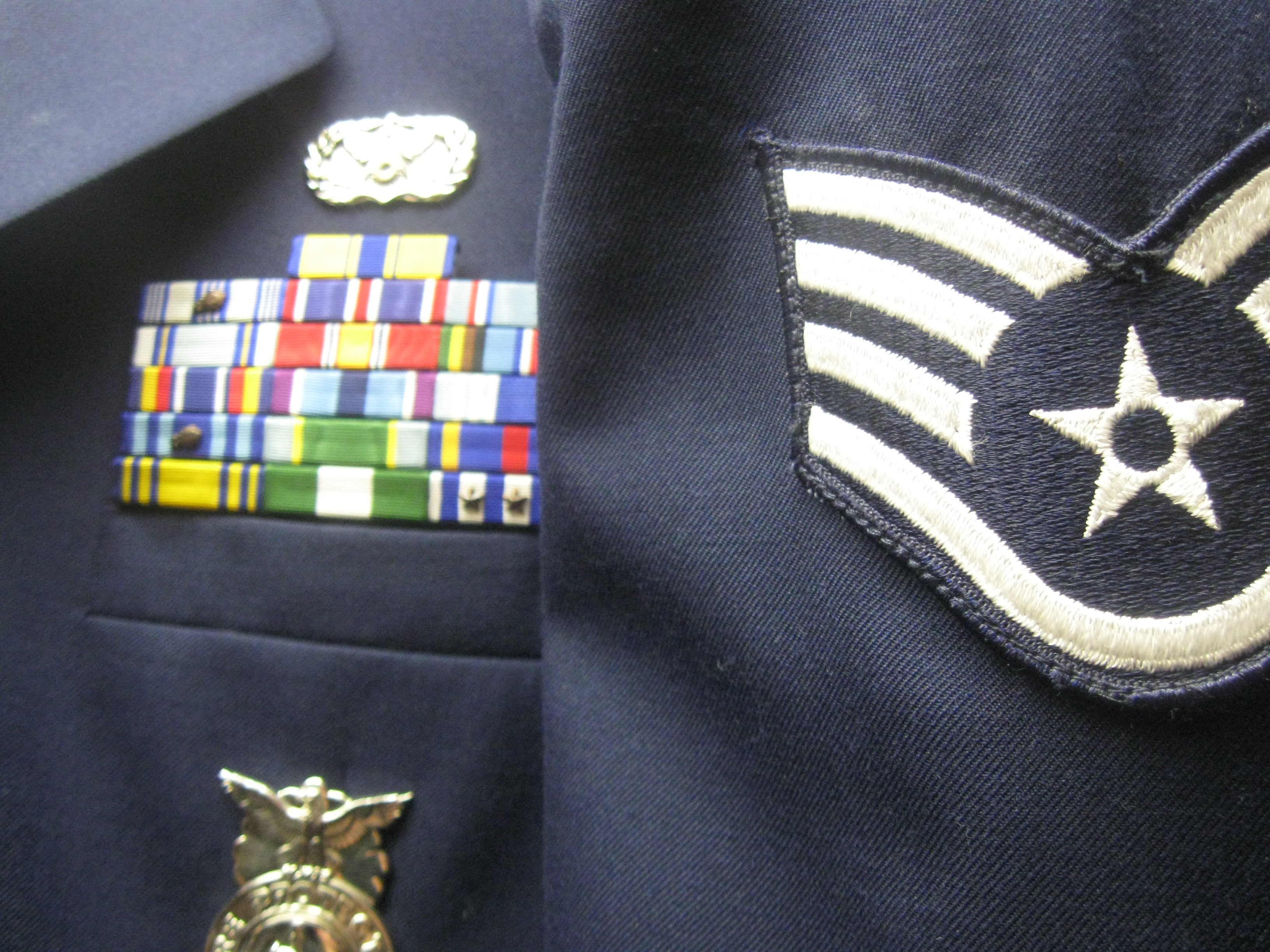
FWD Assist HQ is led by Joshua Christopherson, a VA disability claims educator and disabled U.S. Air Force and Air National Guard veteran with hands-on VSO experience assisting thousands of veterans through the VA disability claims process. FWD Assist HQ provides education-first resources to help veterans advocate for themselves. Learn more about the mission.
Educational Content Only: This article is for educational purposes only and does not constitute legal or professional claims advice. If you need help with your VA claim, start by contacting your local Veterans Service Organization (VSO) -- they're free, accredited, and can represent you through the entire process. If your situation requires more specialized support, consider consulting an accredited VA attorney or claims agent.
Get the Complete Playbook
200+ pages of step-by-step VA claim strategies, templates, and 38 CFR citations. Everything you need to file with confidence.
Related Condition Guides
From the VA Condition Library
Musculoskeletal / Joint
Lumbosacral Strain (Lower Back)
Lumbosacral strain is chronic pain, stiffness, and functional limitation in the lower back caused by injury or overuse of the muscles, ligaments, and soft tissue supporting the lumbar and sacral spine.
View GuideSpine / Neurological
Migraine Headaches
VA rates migraines under DC 8100 based on frequency and severity of prostrating attacks. One of the highest-rated single conditions when properly documented.
View GuideMental Health
Generalized Anxiety Disorder (GAD)
Generalized Anxiety Disorder is a diagnosed mental health condition characterized by persistent, excessive worry that is difficult to control and disrupts daily life.
View GuideGet the next post in your inbox
New articles on VA claims, evidence, and 38 CFR straight to you. No fluff. Unsubscribe any time.