
VA Duty to Assist: When VA Must Schedule Your C&P Exam
"Under 38 CFR § 3.159, the VA has a legal duty to assist you -- including scheduling a medical examination when your claim needs one. Here is what that means for your case."
━━━THE VETERAN'S TAKE━━━
The VA Has a Legal Duty to Help You Build Your Claim
Here’s what you need to know: the VA isn’t exactly eager to approve claims, but they don’t get to ignore their legal duties either. Under 38 CFR § 3.159, the VA is required to help you develop your claim. This includes scheduling a Compensation and Pension (C&P) exam when needed, and it’s free. This isn’t a favor; it’s the law. Knowing when this duty applies can be the difference between getting your claim approved or denied.
When the VA Must Schedule a C&P Exam
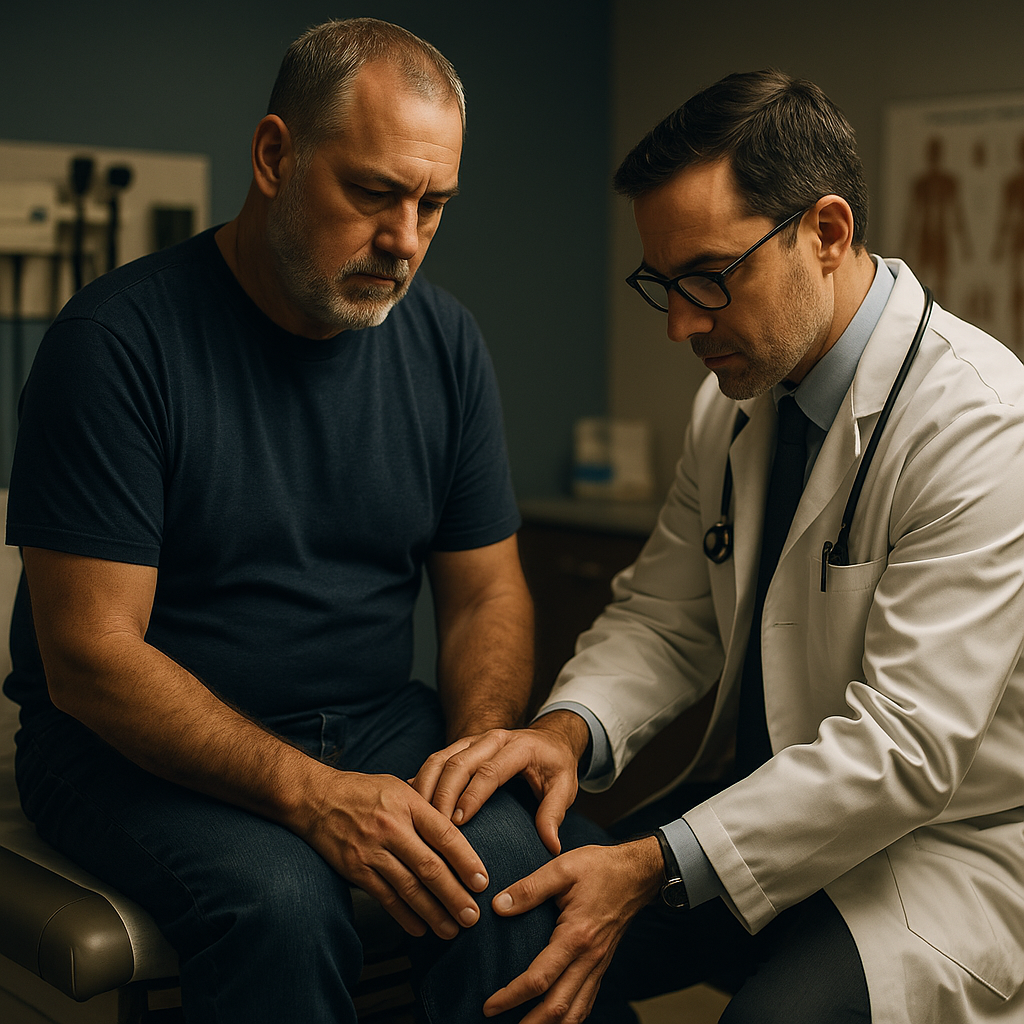
Under 38 CFR § 3.159(c)(4), the VA must provide a medical exam or opinion if these four conditions are met:
You’ve filed a claim for a disability.
There’s evidence of a current disability or ongoing symptoms.
There’s evidence of an in-service event, injury, or disease.
The existing evidence isn’t enough to decide your claim.
If you check all four boxes, the VA has to schedule the exam. They can’t just skip it because your file looks thin or they think they already know the outcome.
What Counts as Evidence?
You don’t need a formal diagnosis to trigger the VA’s duty to assist. Your own credible statement about your symptoms can count as evidence. Under 38 CFR § 3.303(a), symptoms like pain, limited motion, tinnitus, or visible skin conditions can be established by lay observation. If you’re telling the VA your back still hurts or you’re losing sleep from nightmares, that’s evidence of a disability.
As for the in-service event, it doesn’t need to be a dramatic combat injury. It could be something in your service treatment records, your MOS causing repetitive stress, or exposure to toxins. Even if your records are incomplete, you can submit a personal statement or buddy statements to fill the gaps. The VA is also required under 38 CFR § 3.159(c)(1) to try to obtain any records you identify, including those from the Department of Defense.
When the VA Skips the Exam
Here’s where things go wrong. The VA sometimes denies claims without scheduling an exam, claiming they already have enough evidence, even when they don’t. That’s a failure of their duty to assist.
If you were denied without a C&P exam and you met the four conditions above, that denial could be legally defective. You can challenge it through a Supplemental Claim or appeal to the Board of Veterans Appeals. Courts have ruled that skipping a required exam is a serious error that can lead to a remand. Before filing your appeal, review the 5 common VA claim mistakes to avoid other pitfalls.
Not sure where you stand with your VA claim?
Take the free 5-minute Claim Readiness Check and see what to focus on next.
Start the CheckWhat Happens at a C&P Exam
Once the VA schedules your exam, the examiner, either VA staff or a contractor like LHI or QTC, reviews your file and evaluates you. They’ll complete a Disability Benefits Questionnaire (DBQ) to address three main questions: Do you have a current diagnosis? Is it linked to your service? How severe is it?
The examiner isn’t there to fight for you. Preparation is on you. Check out the VA C&P Exam Playbook to know exactly what to expect and how to show up ready.
If the Exam Isn’t Good Enough
Not all C&P exams are done right. Under 38 CFR § 3.159(c)(4), the exam has to be thorough enough for rating purposes. If the examiner skips your file, gives a lazy opinion with no reasoning, or ignores part of your claim, the exam is inadequate. The VA is supposed to either request clarification or schedule a new exam. You can also challenge a weak exam in your appeal and back it up with a private nexus letter from an independent medical expert.
How to Make Sure the VA Follows the Rules
Here’s your play to trigger the VA’s duty to assist:
File a formal claim using VA Form 21-526EZ for every condition you’re claiming.
Submit a personal statement explaining your symptoms and the in-service event.
Tell the VA about any records they need to track down for your claim.
If the VA hasn’t scheduled a C&P exam, request one in writing.
Use our free VA claim tools to get your evidence organized and hold the VA accountable.
Bottom Line
The VA’s duty to assist isn’t optional, it’s the law. When your claim meets the four-part test under 38 CFR § 3.159(c)(4), the VA must schedule a medical exam. If they skip it and deny you, that’s a serious error you can challenge. Know your rights, document everything, and don’t let the VA off the hook.
Not sure where you stand with your VA claim?
Take the free 5-minute Claim Readiness Check and see what to focus on next.
Start the Check
About FWD Assist HQ
J. Erickson is a veteran and the author behind FWD Assist HQ, writing plain-language guides that help veterans understand their own VA claims. Education, not representation. No hype, no claim sharks. Learn more about the mission.
Educational Content Only: This article is for educational purposes only and does not constitute legal or professional claims advice. If you need help with your VA claim, start by contacting your local Veterans Service Organization (VSO) -- they're free, accredited, and can represent you through the entire process. If your situation requires more specialized support, consider consulting an accredited VA attorney or claims agent.
Get the Complete Playbook
200+ pages of step-by-step VA claim strategies, templates, and 38 CFR citations. Everything you need to file with confidence.
Related Condition Guides
From the VA Condition Library
Not sure where you stand with your VA claim?
Take the free 5-minute Claim Readiness Check and see what to focus on next.
Start the Check