Federal Update: Secondary SC & Aggravation Rules Explained
"The VA updated rules for secondary service connection and aggravation of NSC disabilities. Here's what vets need to know."
-- Excerpt from Federal Register
━━━THE VETERAN'S TAKE━━━
New VA Rules on Secondary Service Connection: Pros and Cons
The VA recently updated its guidance on secondary service connection (SC) and aggravation of non-service-connected (NSC) conditions by SC disabilities. These changes stem from the ruling in Spicer v. McDonough and may impact how veterans approach their claims. While this update simplifies some aspects, it also raises concerns for some veterans. Let’s break it down.
Pros of the New Guidelines
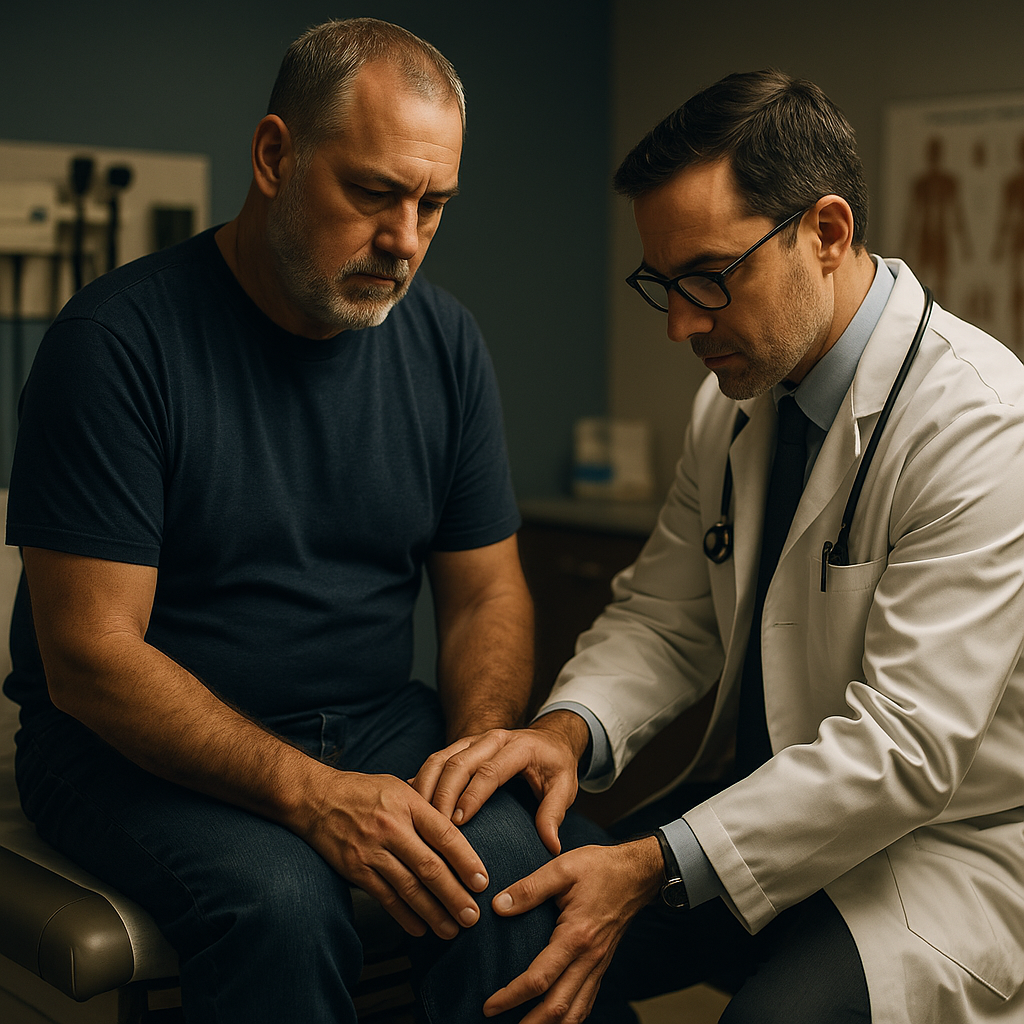
Reduced Burden of Proof: Veterans no longer need to prove the exact degree of aggravation. The VA now considers whether it’s evident that an SC condition worsened an NSC condition, even if the precise extent of worsening can’t be determined.
Fairer Consideration of Evidence: The updated rules require the VA to evaluate a veteran’s evidence more equitably. For example, a strong nexus letter from a doctor will carry more weight.
Potential for Increased Ratings: If it’s proven that your SC disability aggravated an NSC condition, you could see a boost in your overall rating and monthly compensation.
💡 FWD Assist Tip: If you suspect your SC disability has worsened another condition, document everything. Medical records and doctor statements are critical to making your case.
Cons and Potential Challenges
VA’s Interpretation of Evidence: While the burden of proof has changed, the VA still has discretion in evaluating your evidence. A poorly written or vague medical opinion could hurt your claim.
Veteran Responsibility: The VA won’t automatically apply these updates to your claim. You’re responsible for gathering evidence, filing a claim, and ensuring the VA follows the updated guidelines.
Risk of Denials: Even with clearer rules, veterans may face denials if they don’t provide sufficient evidence. An incomplete claim or lack of a nexus letter can derail your case.
Not sure where you stand with your VA claim?
Take the free 5-minute Claim Readiness Check and see what to focus on next.
Start the CheckKey Differences: Then vs. Now
Previously, veterans had to prove the exact degree of aggravation caused by the SC disability. Veterans need only show that the SC disability worsened the NSC condition, without requiring exact percentages. The VA could deny claims due to insufficient specificity in medical evidence. The VA must now consider whether the evidence reasonably shows aggravation, even if it’s not exact. Medical opinions were sometimes undervalued by the VA. Strong medical opinions and nexus letters carry more weight under the new guidelines.
Your Action Plan
Step 1: Review your conditions. Has an SC disability worsened an NSC condition? Make a list.
Step 2: Collect evidence. Obtain medical records, nexus letters, and any documentation that establishes the connection.
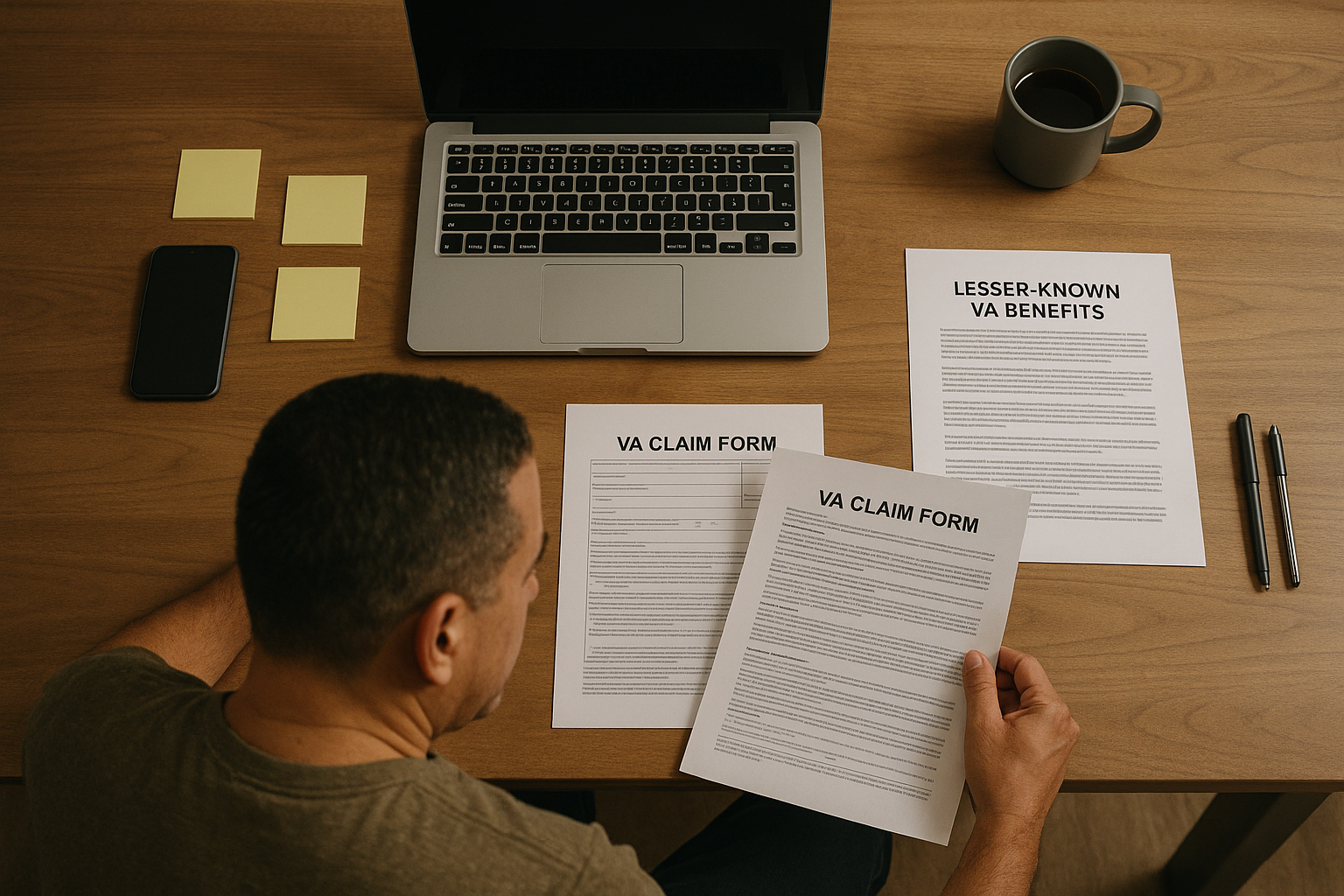
Step 3: File your claim. Use VA Form 21-526EZ and specify that you’re claiming aggravation of an NSC condition by an SC disability.
Step 4: Be prepared to appeal. If denied, check whether the VA followed the new rules. If not, submit a supplemental claim or appeal.
💡 FWD Assist Tip: Filing accurately at the start saves time and stress. Check out our guide, Win Your VA Disability Claim, for templates and step-by-step instructions.
Bottom Line
The updated VA rules on secondary service connection are designed to simplify the process for veterans, but they require proactive effort on your part. By understanding the changes and gathering strong evidence, you can take advantage of this opportunity. Don’t let challenges discourage you--stay persistent, and if you need a roadmap, Win Your VA Disability Claim has everything you need to get it right the first time.
Not sure where you stand with your VA claim?
Take the free 5-minute Claim Readiness Check and see what to focus on next.
Start the Check
About FWD Assist HQ
J. Erickson is a veteran and the author behind FWD Assist HQ, writing plain-language guides that help veterans understand their own VA claims. Education, not representation. No hype, no claim sharks. Learn more about the mission.
Educational Content Only: This article is for educational purposes only and does not constitute legal or professional claims advice. If you need help with your VA claim, start by contacting your local Veterans Service Organization (VSO) -- they're free, accredited, and can represent you through the entire process. If your situation requires more specialized support, consider consulting an accredited VA attorney or claims agent.
Get the Complete Playbook
200+ pages of step-by-step VA claim strategies, templates, and 38 CFR citations. Everything you need to file with confidence.
Not sure where you stand with your VA claim?
Take the free 5-minute Claim Readiness Check and see what to focus on next.
Start the Check