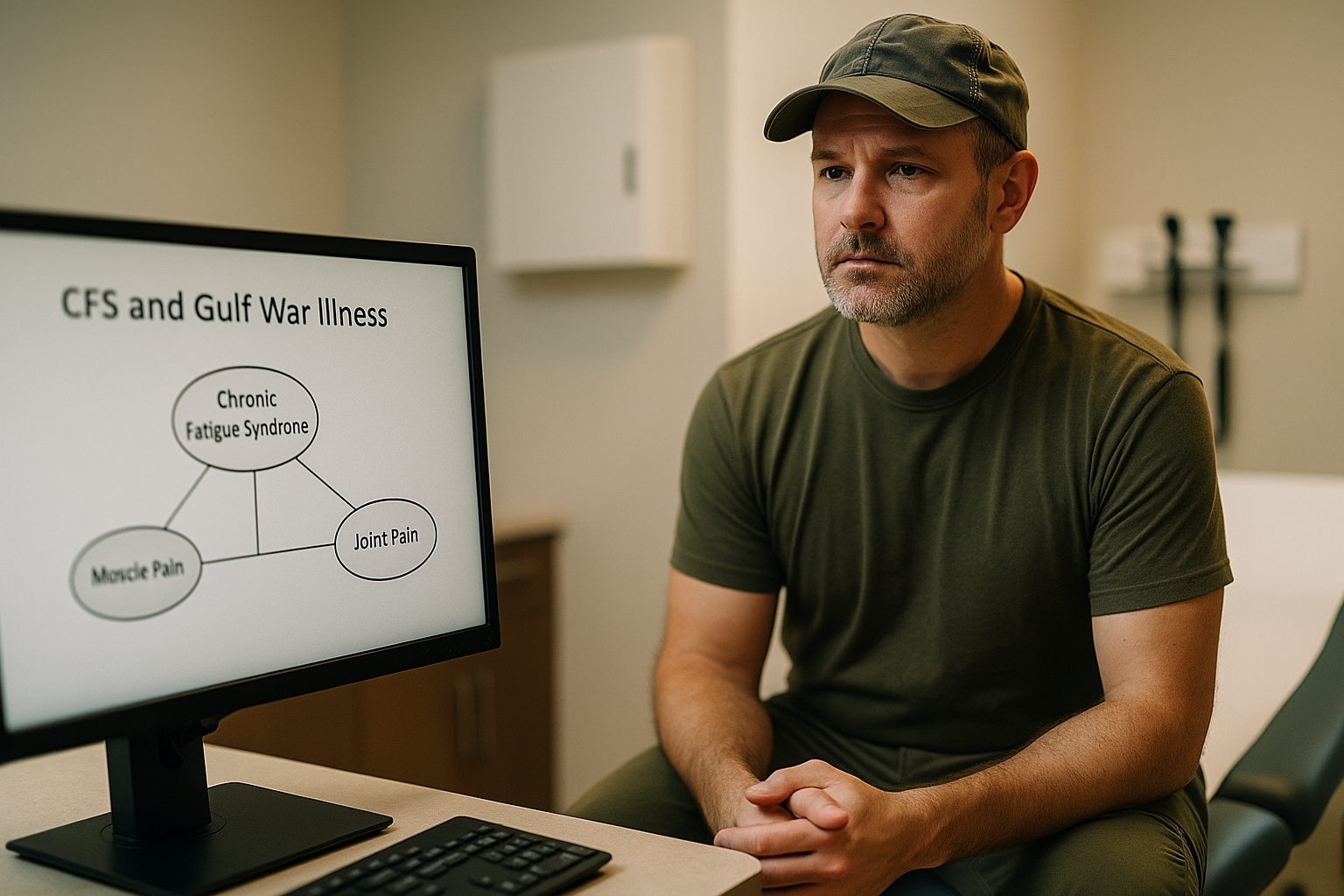
CFS and Gulf War Illness Presumptives: What You Need to Know
"Learn how veterans with Chronic Fatigue Syndrome (CFS) and Gulf War Illness can file VA claims and secure benefits."
━━━THE VETERAN'S TAKE━━━
Chronic Fatigue Syndrome and Gulf War Illness: What Veterans Need to Know
Chronic Fatigue Syndrome (CFS) is a debilitating condition that affects many veterans, especially those who served in the Gulf War. Under VA regulations, CFS is recognized as a presumptive condition for Gulf War veterans, meaning you don’t have to prove the exact cause of your illness if you meet the criteria. This can make filing your claim easier--if you understand how to do it right.
Here’s the deal: CFS is categorized under the Endocrine System and rated under Diagnostic Code (DC) 6354. The VA evaluates your symptoms based on their severity and how much they impact your daily life. Gulf War veterans with CFS are eligible for presumptive service connection, but most vets miss critical steps when filing their claims.
How the VA Rates Chronic Fatigue Syndrome
The VA uses DC 6354 to assign disability ratings for CFS. Ratings are determined by the severity of your symptoms and how much they limit your ability to function:
Not sure where you stand with your VA claim?
Take the free 5-minute Claim Readiness Check and see what to focus on next.
Start the Check- 10%: Symptoms that wax and wane but don’t significantly limit your daily activities.
- 20%: Debilitating symptoms that reduce your ability to perform daily activities by 25--50%.
- 40%: Symptoms that result in a 50--75% reduction in daily activity levels.
- 60%: Near-constant symptoms that severely limit daily activities.
- 100%: Symptoms so severe that you’re almost completely unable to function.
To get the proper rating, you need solid evidence, including medical records, statements from family or coworkers, and documentation of how your condition impacts your life.
Key Evidence You’ll Need for Your Claim
To win your claim for CFS, you’ll need to focus on three types of evidence:
- Medical Records: Diagnosis of CFS documented by a qualified healthcare provider. This must include evidence of chronic fatigue lasting six months or more, along with additional symptoms like memory issues, joint pain, or sleep disturbances.
- Personal Statements: Your personal account of how CFS affects your daily activities. Be specific--describe how your energy levels have changed and how this impacts your ability to work or care for yourself.
- Buddy Statements: Statements from people who know you (family, friends, coworkers) that support your claim. These should detail changes they’ve noticed in your health or daily functioning.
Common Mistakes Veterans Make When Filing CFS Claims
- Failing to Get a Diagnosis: The VA won’t approve a claim without a formal diagnosis. Make sure your provider documents your condition thoroughly.
- Not Linking Symptoms to Service: If you didn’t serve in the Gulf War, you’ll need a clear nexus (connection) between your service and your condition. Gulf War vets qualify under presumptives, but documentation is still critical.
- Underestimating Symptoms: Many vets downplay their symptoms during their C&P exam. Be honest about how CFS impacts your life--this is no time for toughing it out.
Your Action Plan
- Step 1: Get a formal diagnosis of CFS from a qualified healthcare provider. Make sure your medical records reflect the duration and severity of your symptoms.
- Step 2: Gather supporting evidence, including personal statements, buddy letters, and documentation of how CFS affects your life.
- Step 3: File your claim with the VA. Use VA Form 21-526EZ and submit all evidence with your claim to avoid unnecessary delays.
Bottom Line
Chronic Fatigue Syndrome is a serious condition that can significantly impact your life, but Gulf War veterans have a clear path to service connection through the VA’s presumptive list. The key is gathering the right evidence, presenting a strong case, and avoiding common mistakes. Want the full system to simplify your claim? Win Your VA Disability Claim has everything you need to file the right way for just $19.97.
Not sure where you stand with your VA claim?
Take the free 5-minute Claim Readiness Check and see what to focus on next.
Start the Check
About FWD Assist HQ
J. Erickson is a veteran and the author behind FWD Assist HQ, writing plain-language guides that help veterans understand their own VA claims. Education, not representation. No hype, no claim sharks. Learn more about the mission.
Educational Content Only: This article is for educational purposes only and does not constitute legal or professional claims advice. If you need help with your VA claim, start by contacting your local Veterans Service Organization (VSO) -- they're free, accredited, and can represent you through the entire process. If your situation requires more specialized support, consider consulting an accredited VA attorney or claims agent.
Get the Complete Playbook
200+ pages of step-by-step VA claim strategies, templates, and 38 CFR citations. Everything you need to file with confidence.
Related Condition Guides
From the VA Condition Library
Not sure where you stand with your VA claim?
Take the free 5-minute Claim Readiness Check and see what to focus on next.
Start the Check